
Categories
- Galvanized Steel Pipe (151)
- Galvanized Steel Coil (104)
- Tinplate (22)
- Seamless Steel Pipe (142)
- Roofing Sheet (29)
- Square Steel Pipe (42)
- Angle Steel Bar (103)
- Deformed Steel Bar (68)
- PPGI Coil (29)
- Spiral Steel Pipe (14)
- Welded Pipe (36)
- Rectangular Steel Pipe (24)
- API Steel Pipe (15)
- Steel Sheet (32)
- Galvanized Aluminum Coil (15)
- Cold Roll Steel (20)
- Stainless Steel (20)
- Galvanized Steel Nails (27)
- Steel Wire Rope (29)
- Scaffolding Accessories (16)
- Prefabricated House / Steel... (8)
Type
- Carbon Structural Steel (65)
- Equal (162)
- Heavy (292)
- Light (141)
- Plate (140)
- Round (508)
- Spring Steel Bar (57)
- Steel Coil (71)
Grade
- 200 Series (16)
- 300 Series (38)
- 400 Series (87)
- HRB400 (240)
- Q195 (410)
- Q235B (569)
- Q345 (274)
- SS400 - SS490 (119)
Applications
- Boiler Plate (31)
- Construction (406)
- Container Plate (127)
- Manufacturing (621)
- Railway Rail (46)
- Steel Fabricated House (146)
- Steel Workshop (202)
- Structure Pipe (152)
News
What Is Galvanized Steel Pipe?
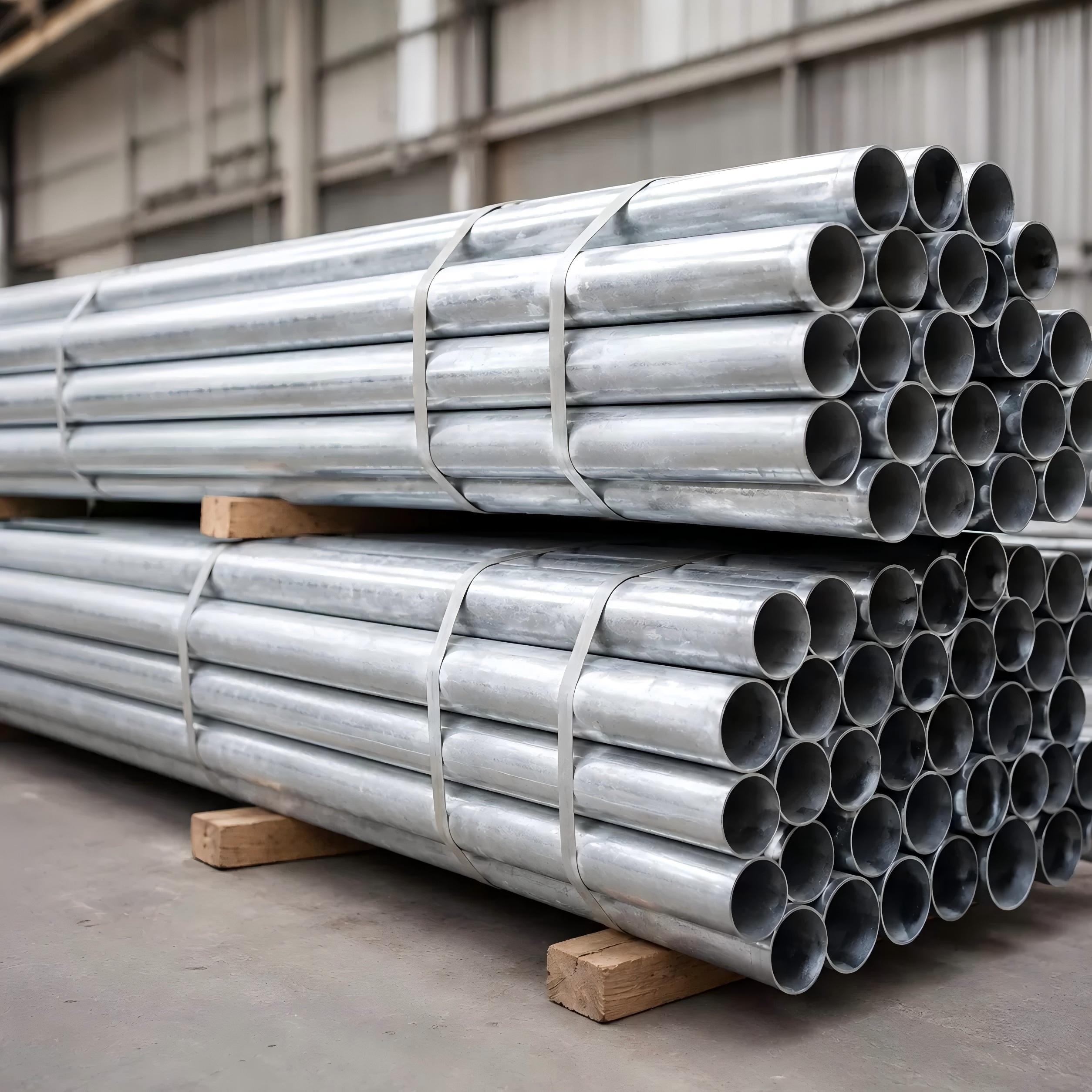
If you’re asking, “What exactly is galvanized steel pipe, and why do people still use it?” the short answer is simple: it’s steel pipe coated with zinc to help protect it from rust and corrosion.
“Galvanized” means the steel has gone through a zinc-protection process. The zinc acts like a shield. It helps the pipe stand up better to moisture, outdoor exposure, and everyday wear than bare steel.
Basic definition
A galvanized steel pipe is a steel pipe with a zinc layer on the outside, and sometimes partly inside too, depending on the process. You may also hear it called:
- galvanized iron pipe
- zinc coated steel pipe
- hot dip galvanized steel pipe
In practical terms, the zinc coating is there to improve steel pipe corrosion resistance and extend service life.
How galvanized steel pipe is made
The process is straightforward, but the details matter:
-
Surface preparation
The steel pipe is cleaned first. This usually includes removing oil, dirt, rust, and scale so the coating can bond properly.
-
Hot-dip galvanizing
The pipe is dipped into molten zinc. This creates a strong metallurgical bond between steel and zinc.
-
Zinc coating protection
After cooling, the zinc layer protects the steel in two ways:
- It creates a barrier against moisture and air
- It gives sacrificial protection, meaning the zinc corrodes first before the steel does
That is why a properly made hot dip galvanized steel pipe can last much longer in humid, outdoor, and industrial conditions than uncoated pipe.
Hot-dip galvanized vs pre-galvanized pipe
A lot of buyers mix these up, but they are not the same.
| Type | How it’s made | Durability | Typical use |
|---|---|---|---|
| Hot-dip galvanized pipe | Steel pipe is galvanized after forming | Higher | Outdoor use, fencing, structural work, plumbing, industrial applications |
| Pre-galvanized pipe | Steel sheet or strip is galvanized first, then formed into pipe | Lower to moderate | Lighter-duty indoor or less demanding uses |
Key differences
Hot-dip galvanized steel pipe
Thicker zinc coating
Better corrosion resistance
Better for harsh environments
Common for galvanized pipe for fencing, structural frames, and outdoor installations
Pre-galvanized pipe
Usually has a thinner coating
More cost-friendly
Better for less aggressive environments
Often used where high corrosion resistance is not the top priority
Which one should I choose?
If the pipe will face outdoor weather, moisture, or long-term exposure, I usually recommend hot-dip galvanized steel pipe.
If the project is lighter-duty and cost-sensitive, pre-galvanized pipe may be enough.
Bottom line:
A galvanized steel pipe is simply steel with a zinc coating, but the way it’s galvanized changes how well it performs. For most buyers, the big decision is whether they need the stronger protection of hot-dip galvanized steel pipe or the lower-cost option of pre-galvanized material.
Why Choose Galvanized Steel Pipe?
I choose galvanized steel pipe when I need a mix of strength, rust protection, and long-term value. It stays popular in many markets because it works well in humid, outdoor, and industrial conditions.
Corrosion Resistance
The big reason people buy hot dip galvanized steel pipe is simple: zinc protects the steel.
- The zinc layer blocks moisture and air
- It helps slow down rust
- It gives extra protection even if the surface gets scratched a little
That’s why zinc coated steel pipe is often used outdoors, in wet areas, and in places with changing weather. For many buyers, this is a strong pick for steel pipe corrosion resistance.
Long Service Life
A good galvanized iron pipe can last a long time when used in the right job.
| Use Case | Typical Benefit |
|---|---|
| Outdoor fencing | Better durability in rain and sun |
| Plumbing support | Lower maintenance over time |
| Structural use | Reliable service in tough conditions |
| Agricultural work | Handles daily wear well |
In real use, the pipe often saves time because it does not need frequent repainting or heavy upkeep.
Strength and Reliability
Another reason I recommend galvanized steel pipe is its strength.
- It can handle load-bearing jobs
- It works well in demanding environments
- It is a solid choice for frames, fencing, and support systems
Compared with many plastic options, a galvanized steel tube gives better structural confidence where strength matters.
Cost-Effectiveness
The upfront galvanized pipe price is not always the lowest, but the long-term value is often better.
- Less maintenance
- Longer service life
- Fewer replacements
- Strong performance in many uses
For many global buyers, this makes galvanized pipe a smart balance between cost and performance.
Quick View
| Key Point | Why It Matters |
|---|---|
| Corrosion resistance | Good for wet and outdoor use |
| Long service life | Lower maintenance needs |
| Strength | Handles structural and heavy-duty jobs |
| Cost-effectiveness | Better long-term value |
In short, galvanized steel pipe stays a practical choice because it is durable, strong, and widely available from any reliable galvanized pipe supplier or galvanized pipe manufacturer.
Common Applications of Galvanized Steel Pipe
Galvanized steel pipe is still a practical choice in many projects because it gives me a solid mix of strength, steel pipe corrosion resistance, and long service life. I usually see it used where the pipe needs to handle outdoor exposure, regular wear, or a basic but reliable setup.
Water Supply and Plumbing
Galvanized steel pipe is often used for:
- Cold water distribution
- Legacy plumbing systems
- Potable-water lines in older buildings
It works well in older systems where galvanized pipe fittings already exist. For new drinking water projects, I always check local rules first, because some markets prefer other materials today. Still, for many repair and replacement jobs, galvanized pipe for plumbing remains a common option.
Fencing and Guardrails
This is one of the most common uses for galvanized pipe for fencing. I see it in:
- Farm fencing
- Security fencing
- Outdoor handrails
- Guardrails and boundary frames
The zinc coating helps the pipe stand up to rain, sun, and humidity, which makes it a strong fit for outdoor use. For local buyers, this is often one of the best value choices when they need something tough and low maintenance.
Structural and Construction Use
Galvanized steel tube and pipe are also used in construction because they are strong and easy to work with. Common uses include:
- Scaffolding
- Support frames
- Greenhouse structures
- Temporary and permanent site structures
In these jobs, the pipe’s strength matters as much as its galvanized pipe thickness and size. When I work on project planning, I always match the pipe specifications to the load and environment.
Industrial and Mechanical Applications
In industrial settings, galvanized steel pipe can be used for:
- Fluid transfer
- Air lines
- Cable protection
- Light-duty mechanical systems
It is not the right fit for every chemical or high-temperature line, but for general plant use, it gives dependable performance. Many buyers also choose it because it is easy to source from a galvanized pipe supplier and comes in standard sizes.
Agricultural Use
Farm and rural projects use galvanized pipe a lot because it handles outdoor conditions well. Common examples include:
- Irrigation lines
- Livestock enclosures
- Animal pens
- Equipment support
- Simple farm structures
For agricultural work, I usually see customers choose hot dip galvanized steel pipe because they want better corrosion resistance and fewer repairs over time.
Why It Fits So Many Jobs
Galvanized steel pipe works across different sectors because it is:
- Strong
- Weather-resistant
- Widely available
- Compatible with many galvanized pipe sizes and fittings
- Cost-effective for large projects
If I need a pipe that can handle outdoor exposure, basic structural work, or general industrial use, galvanized iron pipe is often high on the list.


