
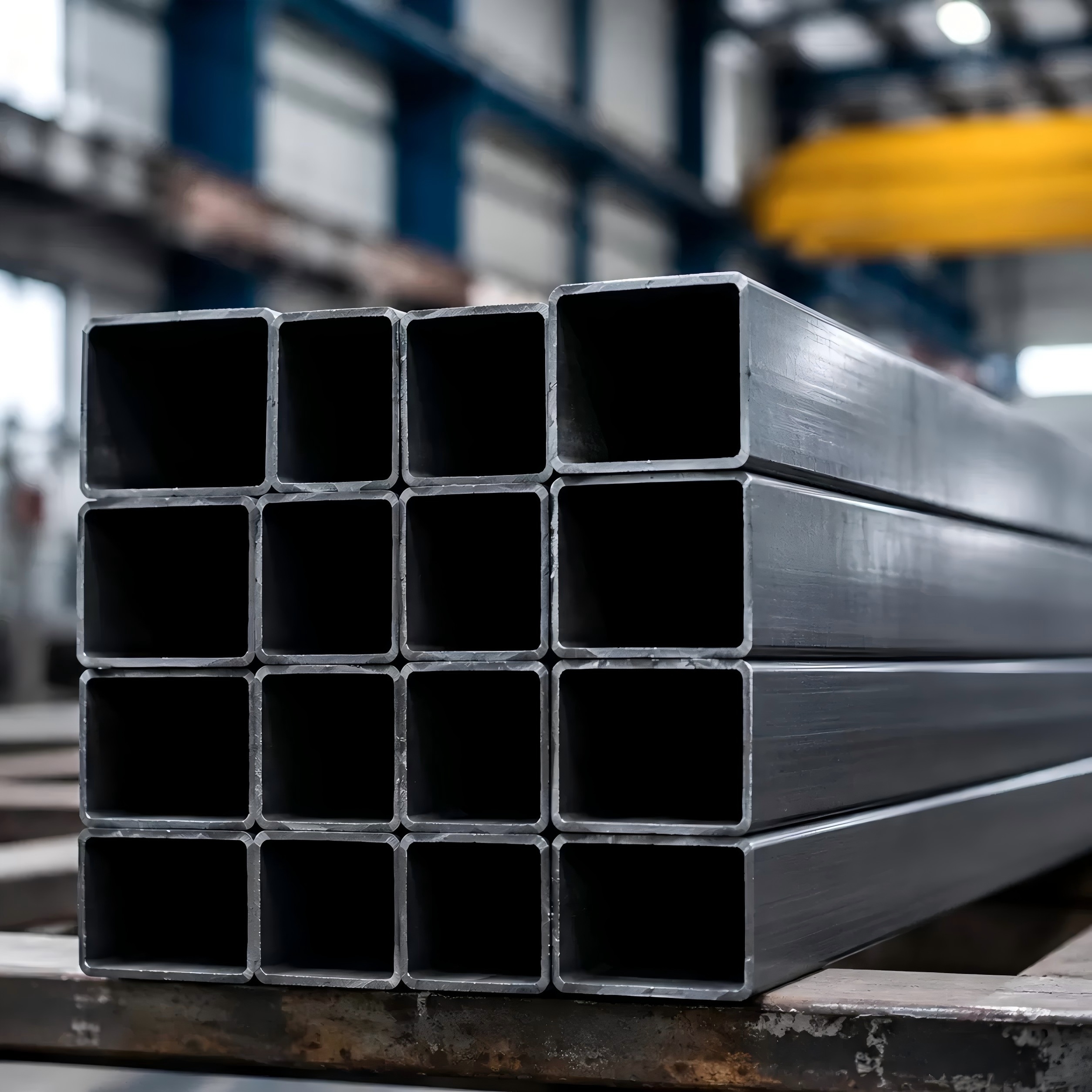
Have you ever wondered what makes steel square pipes so popular in construction and manufacturing? Simply put, a steel square pipe is a hollow, tube-shaped steel product with a perfect square cross-section. It’s known for its strength, versatility, and clean look, making it a go-to choice for many structural and industrial projects.
Definition and Basic Characteristics
A steel square pipe is made from steel and features four equal sides, giving it a square shape. It’s usually manufactured through processes like hot rolling or cold forming, which give it durability and precision. These pipes are lightweight yet strong, making them ideal for load-bearing applications, frameworks, and decorative purposes.
Square Pipe vs Rectangular Pipe vs Round Pipe
- Square pipe: Equal sides, perfect for aesthetic and structural uses where uniform load distribution is needed.
- Rectangular pipe: Longer sides and shorter sides, often used in frames and supports that require more width.
- Round pipe: Circular shape, common in plumbing, scaffolding, and piping systems for smooth flow and easy installation.
Common Sizes, Dimensions, and Shapes
Steel square pipes come in a variety of sizes to suit different needs. Typical dimensions include:
| Size (mm) | Wall Thickness (mm) | Weight (kg/m) | Common Use |
|---|---|---|---|
| 20×20 | 1.0 – 3.0 | 0.9 – 2.5 | Small frames, racks |
| 50×50 | 1.5 – 4.0 | 3.0 – 8.0 | Structural supports, furniture |
| 100×100 | 2.0 – 6.0 | 7.0 – 20.0 | Heavy-duty construction |
These sizes are available in various materials and grades, including carbon steel, stainless steel, and alloy steel. The shape and dimensions are often tailored to meet specific project requirements, whether for lightweight structures or heavy load applications.
Types of Steel Square Pipe
When choosing a steel square pipe, it’s important to understand the main types available. The two most common are cold-formed and hot-rolled steel square pipes. Each type has its own features and best uses.
Cold-Formed Steel Square Pipe
Cold-formed steel square pipe is made by bending steel sheets at room temperature. This process gives it a smooth surface and precise dimensions. It’s often used for lightweight structures, furniture, and decorative purposes. Because it’s shaped at room temperature, it tends to be more accurate in size and shape, making it ideal for projects where tight tolerances matter.
Hot-Rolled Steel Square Pipe
Hot-rolled steel square pipe is produced by rolling steel at high temperatures. This process makes the steel stronger and more durable, suitable for heavy-duty construction and structural applications. Hot-rolled steel pipes are generally thicker and better for load-bearing projects, such as building frameworks or industrial scaffolding.
Structural Grade vs Mechanical Grade
- Structural Grade Steel Square Pipe: Designed for load-bearing and structural support. It’s stronger and often used in construction, bridges, and large frameworks.
- Mechanical Grade Steel Square Pipe: Made for machinery and equipment where strength and flexibility are needed. It’s more ductile and easier to weld.
Coated vs Uncoated Square Pipe
- Coated Steel Square Pipe: Has a protective layer, like paint or galvanization, to resist corrosion. Great for outdoor or humid environments.
- Uncoated Steel Square Pipe: No protective coating, so it’s more vulnerable to rust. Usually used indoors or in controlled environments where corrosion isn’t a big concern.
Knowing the right type of steel square pipe depends on your project needs, whether it’s strength, appearance, or resistance to weather.
Materials and Grades of Steel Square Pipe
When choosing a steel square pipe, understanding the materials and grades is key. Different steels offer various benefits depending on your project needs.
Carbon Steel Square Pipe
This is the most common type of steel square pipe. It’s affordable, strong, and widely used in construction and structural applications. Carbon steel square pipe provides good load-bearing capacity and is easy to weld, making it a popular choice for steel structural pipe projects.
Stainless Steel Square Pipe
Stainless steel square tubing is known for its excellent corrosion resistance. It’s ideal for outdoor, marine, or harsh environments where rust isn’t acceptable. Stainless steel also offers a clean look and better durability, making it suitable for architectural and decorative uses.
Alloy Steel Square Pipe
Alloy steel square pipe contains additional elements like chromium, nickel, or molybdenum. These improve strength, toughness, and corrosion resistance. Alloy steel is often used in demanding industrial applications where high performance is needed.
Standards for Steel Square Pipe
Different standards govern the quality and specifications of steel square pipe. Some common ones include ASTM, API, EN, and JIS. These standards set guidelines for dimensions, strength, and testing, ensuring the pipe meets safety and quality requirements.
Key Benefits of Different Steel Grades
- Strength: Ensures the pipe can handle heavy loads.
- Corrosion Resistance: Extends lifespan, especially in outdoor or wet environments.
- Weldability: Makes fabrication easier, saving time and costs.
Choosing the right material and grade depends on your project’s specific needs, whether it’s structural support, corrosion resistance, or aesthetic appeal.
How Steel Square Pipe Is Made
There are a few main ways to produce steel square pipe, and each method affects the strength, appearance, and cost. Here’s a quick rundown:
Hot Rolling Process
Most steel square pipes are made through hot rolling. In this process, steel is heated until it’s very hot—above its recrystallization temperature—and then rolled into the desired square shape. This method is efficient for creating large quantities of structural steel sections, like square steel tubes, with good strength and durability. Hot-rolled steel square pipe tends to have a rougher surface finish but is cost-effective and strong.
Cold Rolling Process
Cold rolling involves shaping the steel at room temperature. This process gives a smoother surface finish and tighter dimensional control. Cold-formed steel square pipe is often used where appearance matters or tighter tolerances are needed. It’s also slightly stronger and more precise but usually costs more than hot-rolled steel pipe.
Welded Steel Pipe Manufacturing
Welded steel pipe, including welded square pipe, is made by shaping steel strips or plates and then welding the seams together. It’s a common method because it’s fast and flexible for different sizes and shapes. The welding process can be done using various techniques like arc welding, which ensures the pipe is strong and reliable for most industrial steel applications.
Seamless vs Welded Square Pipe
- Seamless steel square pipe is made without a weld, usually by extruding or rotary piercing a solid billet. It’s generally stronger and better for high-pressure applications but more expensive.
- Welded steel square pipe is more common for general use, especially when cost and production speed are important. It’s suitable for most construction, structural, and industrial needs.
Surface Finishing and Coating
After manufacturing, steel square pipes often undergo surface finishing to improve corrosion resistance and appearance. This can include:
- Galvanizing (zinc coating) for outdoor or humid environments
- Painting or powder coating for color and extra protection
- Polishing or buffing for a clean, smooth look
Choosing the right surface treatment depends on where and how you’ll use the steel square pipe. Proper finishing extends the pipe’s service life and keeps it looking good over time.
Steel Square Pipe Specifications
Standard Sizes and Wall Thickness
Steel square pipes come in a variety of sizes to fit different needs. Common outside dimensions range from 20x20mm to 200x200mm, with wall thickness typically between 1mm and 10mm. The size you choose depends on your load requirements and project design.
| Size (mm) | Wall Thickness (mm) | Common Use |
|---|---|---|
| 20×20 | 1-2 | Small racks, frames |
| 50×50 | 2-4 | Structural supports |
| 100×100 | 3-8 | Heavy-duty frames |
| 200×200 | 5-10 | Industrial structures |
Weight and Density
The weight of a steel square pipe depends on its size and wall thickness. For example, a 50x50mm steel square pipe with 2mm wall thickness weighs around 2.5 kg per meter. Density varies slightly based on the material grade but generally hovers around 7.85 g/cm³ for carbon steel.
Tolerance Control
Manufacturers keep strict tolerances on size and shape to ensure quality and consistency. Typical tolerances are:
- Size: ±0.5mm
- Square shape: ±1mm
- Flatness: within 1mm per meter
These tight controls help ensure your steel square pipe fits perfectly in your project.
Quality Inspection and Testing
Quality checks are key for reliable steel square pipes. Common testing methods include:
- Visual inspection for surface defects
- Ultrasound testing for internal flaws
- Dimensional checks for size accuracy
- Mechanical testing for strength and weldability
Choosing a supplier that performs these tests guarantees you get a durable, high-quality steel square pipe suited for construction, industrial, or custom fabrication needs.
Benefits of Steel Square Pipe
Steel square pipe offers several advantages that make it a popular choice for many projects. Here’s why I often recommend it:
Strong Load-Bearing Performance
- Steel square pipe is known for its high strength.
- It can support heavy loads without bending or breaking.
- Perfect for building frames, scaffolding, and industrial structures.
Easy Welding and Fabrication
- The square shape makes welding straightforward.
- It’s easy to cut, weld, and customize to fit your project needs.
- Ideal for quick assembly and modifications.
Clean Look and Design Flexibility
- The neat, uniform shape gives a modern, clean appearance.
- Fits well in both functional and aesthetic applications.
- Great for furniture, racks, and architectural designs.
Cost-Effective and Durable
- Steel square pipe offers good durability at a reasonable price.
- Resistant to wear, impacts, and general corrosion (especially if coated or made from stainless steel).
- Long-lasting with proper maintenance, reducing replacement costs.
| Benefit | Description |
|---|---|
| Load capacity | Supports heavy structures |
| Ease of fabrication | Simple welding and cutting |
| Design options | Clean, modern look |
| Cost & durability | Budget-friendly & long-lasting |
In short, steel square pipe combines strength, versatility, and cost savings, making it a smart choice for many construction and industrial needs.
Steel Square Pipe Applications
Steel square pipe is widely used across various industries thanks to its strength, versatility, and reliable performance. It’s common in construction and building frames, where it provides sturdy support for structures. Its load-bearing capacity makes it ideal for structural support and scaffolding, ensuring safety and stability on site.
You’ll also find steel square tubing in furniture, racks, and storage systems. Its clean look and easy fabrication make it a popular choice for industrial and commercial furniture. In machinery and industrial equipment, steel square pipe offers durability and precision, helping machines run smoothly and last longer.
Whether for heavy-duty construction or interior design, steel square pipe plays a key role in many applications. Its ability to handle weight, resist corrosion (especially if coated or made from stainless steel), and be easily welded makes it a go-to option for many global customers.
How to Choose the Right Steel Square Pipe
Picking the right steel square pipe depends on what you need it for. Here are some key points to consider:
Load Requirements
- Think about how much weight the pipe needs to support.
- For heavy loads, go for thicker walls and stronger steel grades like structural steel section.
- Lighter jobs may only need thinner walls or lower-grade steel.
Indoor or Outdoor Use
- Indoor projects can use uncoated steel pipes.
- Outdoor or exposed environments need coated or stainless steel square tubing for better corrosion resistance.
Corrosion Conditions
- If the pipe will face moisture or harsh weather, choose stainless steel square tubing or coated steel pipes.
- Carbon steel square pipe is fine for dry, indoor use but less suitable outside without protection.
Design and Project Needs
- For aesthetic or clean look, opt for smooth, coated steel pipe.
- For structural support, focus on high-strength, load-bearing steel pipe.
Comparing Product Specifications
| Factor | What to Check |
|---|---|
| Size & Shape | Match your project’s dimensions |
| Wall Thickness | Determine strength and weight |
| Material Grade | Pick the right steel type (carbon, stainless, alloy) |
| Coating | Decide if you need anti-corrosion coating |
| Standards | Ensure it meets ASTM, JIS, EN or API standards |
By considering these points, I can help you select the best steel square pipe for your project.
Buying Steel Square Pipe
What to Ask Suppliers
When you’re ready to buy steel square pipe, it’s important to ask the right questions. Make sure to inquire about:
- Material grades: Is it carbon steel, stainless steel, or alloy steel?
- Standards compliance: Does it meet ASTM, JIS, EN, or API standards?
- Sizes and dimensions: Confirm the exact sizes, wall thickness, and shapes available.
- Surface finish: Is it coated or uncoated? What kind of coating is used?
- Manufacturing process: Is it hot-rolled, cold-formed, or welded?
- Customization options: Can they produce custom steel pipe fabrication?
- Certifications: Ask for quality certificates like ISO, API, or other industry approvals.
How to Check Certifications
Always verify supplier certifications to ensure quality and compliance. Look for:
- ISO certificates for quality management.
- Material test reports (MTRs) to confirm material grades.
- Standards compliance: Confirm they meet ASTM, EN, JIS, or API standards.
- Inspection reports from third-party agencies.


