
Categories
- Galvanized Steel Pipe (151)
- Galvanized Steel Coil (104)
- Tinplate (22)
- Seamless Steel Pipe (142)
- Roofing Sheet (29)
- Square Steel Pipe (42)
- Angle Steel Bar (103)
- Deformed Steel Bar (68)
- PPGI Coil (29)
- Spiral Steel Pipe (14)
- Welded Pipe (36)
- Rectangular Steel Pipe (24)
- API Steel Pipe (15)
- Steel Sheet (32)
- Galvanized Aluminum Coil (15)
- Cold Roll Steel (20)
- Stainless Steel (20)
- Galvanized Steel Nails (27)
- Steel Wire Rope (29)
- Scaffolding Accessories (16)
- Prefabricated House / Steel... (8)
Type
- Carbon Structural Steel (65)
- Equal (162)
- Heavy (292)
- Light (141)
- Plate (140)
- Round (508)
- Spring Steel Bar (57)
- Steel Coil (71)
Grade
- 200 Series (16)
- 300 Series (38)
- 400 Series (87)
- HRB400 (240)
- Q195 (410)
- Q235B (569)
- Q345 (274)
- SS400 - SS490 (119)
Applications
- Boiler Plate (31)
- Construction (406)
- Container Plate (127)
- Manufacturing (621)
- Railway Rail (46)
- Steel Fabricated House (146)
- Steel Workshop (202)
- Structure Pipe (152)
News
Pre Galvanized Steel Pipe Guide | Sizes, Benefits, Standards and Uses
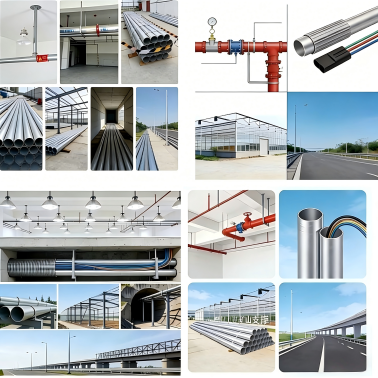
What Is Pre-Galvanized Steel Pipe?
Pre-galvanized steel pipe is a type of steel pipe made from galvanized steel strips or sheets that have been coated with zinc before the pipe is formed. Unlike other galvanized pipes, which are coated after manufacturing, pre-galvanized pipes are produced from steel that is already coated with zinc, providing an excellent foundation for corrosion resistance.
The Manufacturing Process and Zinc Coating Details
The process begins with continuous steel coils or sheets that undergo zinc coating through a galvanizing line. In this process:
- Steel strips or sheets are cleaned to remove oils, rust, and impurities.
- Zinc coating is applied via hot-dip galvanizing or electro-galvanizing. For pre-galvanized steel pipe, the process typically involves electro-galvanizing for thinner, uniform coatings or continuous hot-dip galvanizing for thicker zinc layers.
- The coated steel is then rolled into pipes through seam welding, usually using high-frequency welding or other reliable welding techniques.
- Post-welding, the pipe may undergo finishing, cutting, and quality checks to ensure uniformity, weld integrity, and adherence to standards.
Zinc Coating Thickness and Quality
Zinc coating thickness in pre-galvanized steel pipes can vary, but standard levels range from 40 to 275 grams per square meter (GSM), depending on the intended use. Thicker zinc coatings improve corrosion protection and lifespan, making the pipes suitable for outdoor and harsh environments.
Benefits of Pre-Galvanized Steel Pipes
- Better corrosion resistance due to a uniform zinc coating applied before forming.
- Enhanced surface finish for aesthetic appeal and additional protection.
- Cost-effective manufacturing process that suits large-scale projects.
- Consistent coating quality and adherence, especially when produced by reputable suppliers like SINO EAST.
In , pre-galvanized steel pipe offers a reliable and efficient solution for many applications, especially where corrosion resistance and durability are essential. It combines the best of steel strength and zinc protection, making it a popular choice worldwide.
Manufacturing Process of Pre-Galvanized Steel Pipe
Pre-galvanized steel pipe starts its journey from high-quality steel coils, typically cold-rolled strips. These coils first undergo thorough cleaning and surface preparation to remove any oils, dirt, or impurities that could affect the zinc coating’s adhesion. After cleaning, the steel strip is continuously fed into a galvanizing line where it receives a uniform zinc coating. This zinc layer is applied using a hot-dip zinc bath in a controlled atmospheric environment to ensure consistent thickness and strong bonding.
Once the steel strip is galvanized, it’s carefully cooled and then formed into pipe shape through advanced roll-forming technology. The edges of the formed strip are welded using high-frequency welding for a seamless joint with excellent strength and durability. Post-welding, the pipe edges are trimmed and smoothed to meet precise specifications.
To maintain quality, SINO EAST integrates automated inspection systems, checking parameters like coating thickness, weld integrity, and pipe dimensions at every stage. This ensures the pre-galvanized steel pipes meet strict international standards and customer requirements.
Finally, the pipes are cut to length, surface treated for any minor touch-ups, and bundled ready for shipment. This efficient manufacturing process guarantees a reliable zinc coating that improves corrosion resistance and extends the pipe’s service life.
For more details on galvanized pipes and production technology, you can explore hot dip galvanized square steel pipes for sale or check our insights on common misconceptions when purchasing galvanized steel coils.
Pre-Galvanized vs. Hot-Dip Galvanized Steel Pipes: Key Differences
When choosing steel pipes for your project, understanding the differences between pre-galvanized and hot-dip galvanized steel pipes is important. Both offer zinc coating to prevent corrosion, but they differ in process, coating quality, and applications.
Comparison Table
| Feature | Pre-Galvanized Steel Pipe | Hot-Dip Galvanized Steel Pipe |
|---|---|---|
| Coating Timing | Applied before forming or welding, on steel strip | Applied after pipe fabrication, dipped in molten zinc |
| Zinc Coating Thickness | Thinner, typically 20-45 microns | Thicker, often 50-100 microns or more |
| Corrosion Protection | Good, but less durable over long periods | Superior, longer-lasting corrosion resistance |
| Cost | Generally lower, economical for short-term use | Slightly higher due to process and thicker coating |
| Suitability | Suitable for indoor, light-duty, fencing, and conduit | Better for outdoor, heavy-duty, high corrosion environments |
| Best Applications | Fencing, furniture, piping in controlled environments | Construction, agriculture, water, and gas pipelines |
Quick Takeaway
Pre-galvanized pipes are cost-effective and good for lighter, indoor uses. Hot-dip galvanized pipes excel in durability and outdoor applications but cost a bit more. Your choice depends on the environment and expected lifespan—if you want longer corrosion protection for outdoor structures, hot-dip is often the way to go.
Want to explore more about the coating methods? Check out pre-galvanized steel pipe specifications for detailed standards and standards.
Specifications and Standards for Pre-Galvanized Steel Pipe
Pre-galvanized steel pipes come in a variety of sizes, thicknesses, and standards to suit different applications. Here’s a quick guide to common specifications:
Sizes and Thicknesses
- Diameter: Ranges from small pipes (around 20mm) to large ones over 300mm
- Wall Thickness: Typically from 0.8mm to 3.0mm, depending on load and corrosion resistance needs
- Lengths: Usually 6m, but customizable based on project requirements
Industry Standards
Pre-galvanized steel pipes must meet strict standards to ensure quality and safety:
|
Standard |
Description |
Common Application |
|
GB (Guobiao) |
Chinese national standards, e.g., GB/T 13793 |
Construction, fencing |
|
BS (British Standard) |
BS 1387 for steel pipes |
Plumbing, mechanical projects |
|
ASTM (American Society for Testing and Materials) |
ASTM A53 for standard steel pipes |
Industrial, oil & gas |
|
EN (European Norm) |
EN 10255 or EN 10216 |
Construction, fencing |
Steel Grades and Coating Classes
- Steel Grades: Q235, Q195, or higher grades like S275 or S355 for stronger needs
-
Coating Classes:
- ZInc coating thickness: Usually between 20-80 microns (μm) for pre-galvanized pipes
- Coating is tested with mill certificates to confirm compliance
Certification & Documentation
- Mill Test Certificates (MTC): Must accompany each batch, proving standards compliance
- Quality Control: Regular inspections ensure the zinc coating, dimensions, and weld quality meet international norms, such as ASTM and BS standards
Knowing the right specifications helps ensure your pre-galvanized steel pipe is the best fit for your project, whether it’s fencing, construction, or industrial use. For detailed standards or custom sizes, check with reliable pre galvanized pipe manufacturers in China or local suppliers.
Key Advantages and Benefits of Pre-Galvanized Steel Pipe
Pre-galvanized steel pipe offers many benefits, making it a popular choice worldwide. Here’s why:
| Benefit | Details |
|---|---|
| Corrosion Resistance | The zinc coating provides a tough barrier against rust and corrosion, ideal for outdoor and wet applications. Compared to mill galvanized pipe, pre-galvanized pipes often feature a more uniform coating, enhancing durability. |
| Aesthetic Finish | Smooth, shiny surface looks clean and modern. Perfect for fencing, furniture, or exposed piping systems where appearance matters. |
| Cost-Effectiveness | Usually lower initial costs than hot-dip galvanized pipes when produced in bulk. Plus, easier installation reduces labor costs. |
| Formability & Mechanical Strength | Strong yet flexible, making it suitable for diverse shapes like square and rectangular pipes, and easier to handle during installation. |
| Maintenance Reduction | Extended lifespan and less frequent repairs due to superior corrosion protection. Saves time and money over the pipe’s life cycle. |
| Recycling & Sustainability | Steel and zinc are both recyclable, supporting eco-friendly projects and reducing waste. |
Pre-galvanized steel pipes also combine advantages like improved surface finish and consistent zinc coating, often meeting standards such as BS 1387 or ASTM A53. These features make the pipes ideal for fencing, conduit, scaffolding, and construction uses across a variety of climates and environments.
Using pre-galvanized pipe reduces routine maintenance, especially in outdoor or harsh conditions, making it a reliable choice for many global projects. For those interested in different finishes, compare it with hot-dip galvanized pipes to see which suits your project needs best.
Common Applications and Uses of Pre-Galvanized Steel Pipe
Pre-galvanized steel pipes are versatile and widely used across many industries. Because of their excellent corrosion resistance and sturdy finish, they’re a top choice for several projects. You’ll often find them in construction, where they help build strong structures and frameworks. Fencing projects frequently use pre-galvanized steel pipe because it can withstand outdoor weather and last longer with less maintenance.
In the furniture industry, these pipes make durable, stylish frames for tables, chairs, and shelves. They’re also popular for conduit pipes, protecting electrical wiring inside walls or underground, thanks to their corrosion-proof qualities. Agriculture applications include irrigation systems and farming equipment, where exposure to moisture and soil demands long-lasting pipe solutions.
Scaffolding is another common area — pre-galvanized pipes provide reliable support during building or maintenance work, often used in real-world construction projects. They’re also frequently employed in transporting fluids or gases, especially in industrial settings, due to their strength and protective zinc coating, which prevents rusting over time.
However, despite their many benefits, there are limits. For instance, extremely corrosive environments might require hot-dip galvanized pipes or additional protective coatings for better longevity. Also, for projects requiring very precise dimensions or certain standards (like BS 1387 or ASTM A53), it’s important to select pipes that meet those specific specifications.
Overall, the adaptability and durability of pre-galvanized steel pipe make it a go-to choice for a wide range of applications worldwide.
How to Choose the Right Pre-Galvanized Steel Pipe for Your Project
Picking the right pre-galvanized steel pipe depends on several key factors. To ensure you get the best fit, consider the following:
| Factor | What to Look For |
|---|---|
| Environment | Is it for outdoor use? Look for thicker zinc coating for better corrosion resistance. For indoor or less harsh conditions, standard coating might suffice. |
| Load & Mechanical Needs | Will the pipe support heavy weight? Choose pipes with appropriate wall thickness and steel grade for strength. |
| Budget | Pre-galvanized pipes are generally cost-effective, but higher coating quality may cost more upfront. Balance your budget with longevity needs. |
| Coating Quality | Check zinc coating thickness (measured in microns). Thicker coats offer more corrosion protection, especially important for fencing or structural applications. |
| Certifications | Look for certified standards like ASTM A53 or BS 1387. This ensures quality and compliance, especially for critical projects. |
| Supplier Tips | Buy from reputable pre galvanized pipe manufacturers in China or your local suppliers with strong reviews. Verify their mill test certificates and warranty. |
Buyer Checklist for Choosing Pre-Galvanized Steel Pipe
- Confirm zinc coating thickness (e.g., 20-40 microns for durability)
- Match pipe diameter and thickness with project specs
- Check for relevant standards (ASTM, BS, GB, EN)
- Request quality assurance documents
- Consider supplier reputation and after-sales service
Getting these factors right helps ensure your project’s success, whether it’s fencing, construction, or conveyance systems. For more on standards, see Pre Galvanized Pipe Specifications.
Maintenance, Installation Tips, and Expected Lifespan of Pre-Galvanized Steel Pipe
Proper maintenance and careful installation can extend the life of your pre-galvanized steel pipe significantly. During storage, keep the pipes in a dry, covered area to prevent moisture exposure, which can compromise the zinc coating. If the pipes are stored outdoors, use protective wrappings or covers to shield them from rain and dirt.
When installing pre-galvanized steel pipe, avoid unnecessary scratching or denting that can damage the zinc coating. During welding or cutting, protect the coating by applying anti-corrosion paint or a zinc-rich primer to exposed areas. This step is crucial because uncoated spots are more vulnerable to rust, reducing the pipe’s durability.
The typical lifespan of pre-galvanized steel pipe varies depending on environment and usage, but generally, it lasts between 15 to 25 years in moderate conditions. In highly corrosive environments, like coastal areas, expect a shorter lifespan unless additional protective coatings are applied. Regular inspections and maintenance, such as cleaning off debris and checking for signs of corrosion, can help maintain their protective qualities over time.
For repair or touch-up, applying zinc-based cold galvanizing paint or coatings can restore some of the original corrosion resistance. By following these tips, you ensure your pre-galvanized steel pipe remains reliable and cost-effective for many years.


