
Categories
- Galvanized Steel Pipe (151)
- Galvanized Steel Coil (104)
- Tinplate (22)
- Seamless Steel Pipe (142)
- Roofing Sheet (29)
- Square Steel Pipe (42)
- Angle Steel Bar (103)
- Deformed Steel Bar (68)
- PPGI Coil (29)
- Spiral Steel Pipe (14)
- Welded Pipe (36)
- Rectangular Steel Pipe (24)
- API Steel Pipe (15)
- Steel Sheet (32)
- Galvanized Aluminum Coil (15)
- Cold Roll Steel (20)
- Stainless Steel (20)
- Galvanized Steel Nails (27)
- Steel Wire Rope (29)
- Scaffolding Accessories (16)
- Prefabricated House / Steel... (8)
Type
- Carbon Structural Steel (65)
- Equal (162)
- Heavy (292)
- Light (141)
- Plate (140)
- Round (508)
- Spring Steel Bar (57)
- Steel Coil (71)
Grade
- 200 Series (16)
- 300 Series (38)
- 400 Series (87)
- HRB400 (240)
- Q195 (410)
- Q235B (569)
- Q345 (274)
- SS400 - SS490 (119)
Applications
- Boiler Plate (31)
- Construction (406)
- Container Plate (127)
- Manufacturing (621)
- Railway Rail (46)
- Steel Fabricated House (146)
- Steel Workshop (202)
- Structure Pipe (152)
News
Steel Pipe & Tube Suppliers, Steel Coil Manufacturers in China
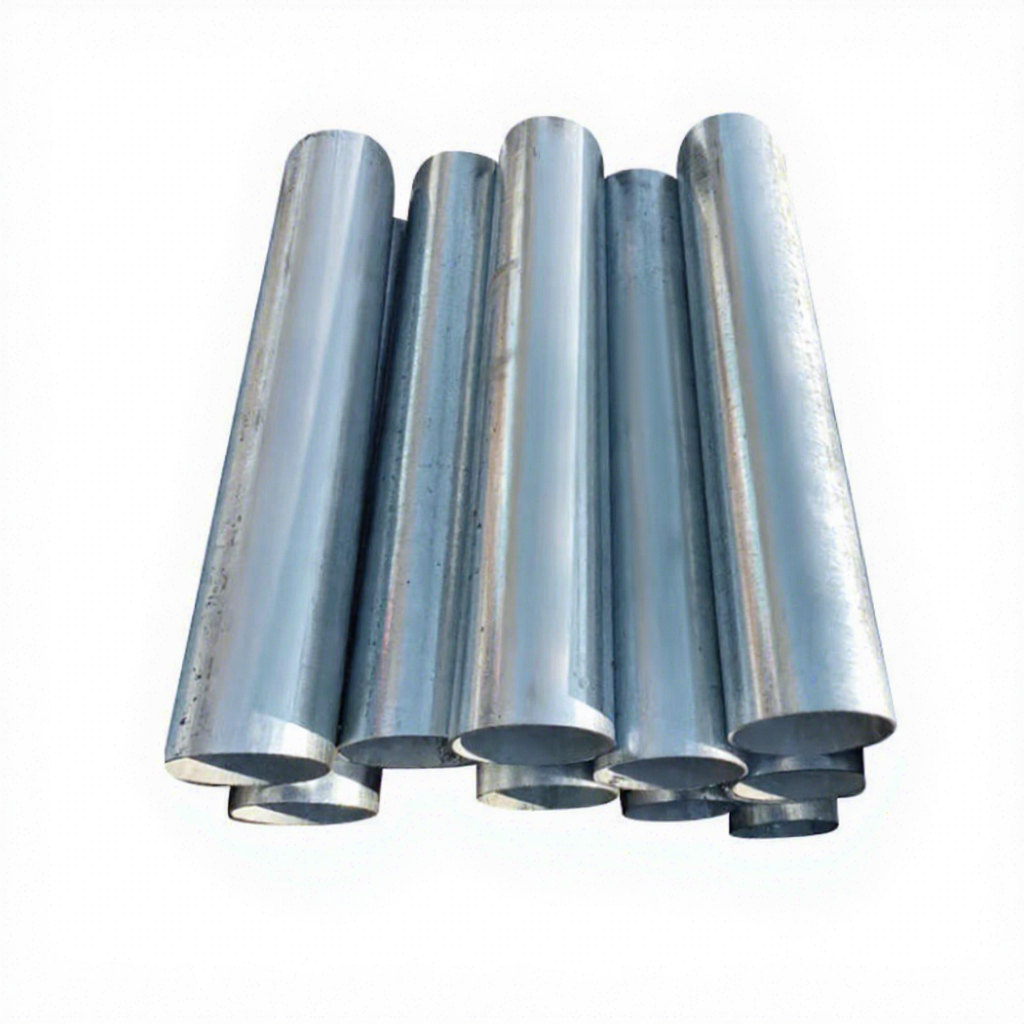
What Is Pre-Galvanized Steel Pipe?
Are you wondering what exactly pre-galvanized steel pipe is? It’s a type of steel pipe that’s coated with zinc before the pipe is formed into its final shape. This process helps protect the pipe from corrosion right from the start, making it durable and long-lasting.
Definition and Key Characteristics
Pre-galvanized steel pipe is made by applying a zinc coating to steel sheets or strips before they are shaped into pipes. Some key features include:
Uniform Zinc Coating: Because the zinc is applied early, it covers the entire pipe evenly.
Smooth Surface: The coating results in a smooth, clean surface ideal for various applications.
Corrosion Resistance: The zinc layer acts as a barrier, significantly reducing rust and corrosion over time.
Cost-Effective: Pre-galvanized pipes usually cost less than hot-dip galvanized pipes but still offer good durability.
Difference from Hot-Dip Galvanized and Other Steel Pipes
Pre-Galvanized vs. Hot-Dip Galvanized:
Pre-galvanized pipes are zinc coated before the pipe is formed.
Hot-dip galvanized pipes have zinc applied after forming through a dipping process.
Key difference: Pre-galvanized pipes often have a thinner, more uniform coating, while hot-dip galvanizing provides a thicker coat, offering even better corrosion protection but at a higher cost.
Other Steel Pipes:
Non-galvanized pipes are simply steel without any coating, making them less resistant to rust.
Galvanized pipes (pre- or hot-dip) are preferred in environments where corrosion is a concern.
Common Grades and Standards
Pre-galvanized steel pipes are manufactured to meet various international standards, such as:
Standard
Description
Typical Use
ASTM A-53
Carbon steel pipes with various finishes, including pre-galvanized
Construction, structural applications
ASTM A-252
Structural pipe suited for pipe piling
Foundations and building structures
GB/T 13793
Chinese standards for pre-galvanized pipes
General industrial use
Manufacturers like SINO EAST produce pipes conforming to these specifications, ensuring quality and consistency for customers worldwide.
In :
Pre-galvanized steel pipe is a cost-effective, corrosion-resistant option made through a zinc coating process before shaping the pipe. It differs from other galvanized options and is widely used in construction, industrial, and structural applications, following strict standards to ensure quality.
Pre-Galvanized Steel Pipe Manufacturing Process
Raw Steel Preparation and Pipe Forming
The process starts with preparing high-quality raw steel, which meets industry standards like ASTM and GB specifications. The steel is cut and shaped into pipes using forming machines, ensuring consistent dimensions and strong structural integrity. This step sets the foundation for the entire manufacturing process and helps ensure the pipes will be durable.
Zinc Coating Applied Before Pipe Manufacturing
Next, the steel pipe is pre-galvanized by applying a zinc coating before the pipe is formed. This is different from hot-dip galvanized pipes, where the coating happens after manufacturing. The zinc coating is uniformly sprayed or electro-galvanized onto the steel strips prior to forming into pipes. This approach guarantees an even, smooth surface finish and reliable corrosion resistance.
Quality Control Measures and Standards Compliance
Throughout manufacturing, strict quality control measures are followed. The pipes undergo tests for coating thickness, adhesion, and stability. They also meet regional and international standards like ASTM A123 and GB/T 13793, which specify corrosion resistance and durability requirements. Regular testing ensures that the galvanized steel pipes will perform well in harsh environments.
Why the Pre-Galvanization Process Improves Manufacturing Efficiency
Pre-galvanization makes the entire process more efficient for a few reasons:
- Faster Production: Zinc coating is applied early, reducing the need for extra finishing steps.
- Consistent Coating: The zinc layer forms evenly, minimizing rework or defects.
- Better Surface Finish: It results in a smoother, nicer surface for easier installation and maintenance.
- Cost Savings: Less processing time and material waste lead to more cost-effective manufacturing.
Overall, pre-galvanized steel pipe production is streamlined, making it a reliable choice for builders, contractors, and industrial users worldwide.
Pre-Galvanized Steel Pipe Advantages
One of the big reasons many people choose pre-galvanized steel pipe is its excellent corrosion resistance and durability. The zinc coating applied before manufacturing helps protect the steel from rust, making these pipes suitable for outdoor, industrial, or harsh environments where corrosion can be a concern. This anti-corrosion feature ensures a longer lifespan for the pipe, saving costs on frequent replacements.
In terms of cost-effectiveness, pre-galvanized pipes tend to cost less over their entire service life compared to other options like hot-dip galvanized steel pipe. They deliver reliable protection without a hefty price tag, especially when you consider the reduced need for maintenance and repairs.
The surface finish of pre-galvanized steel pipe is another plus. It offers a smooth, clean look with a consistent zinc coating, which not only looks better but also helps in achieving better adherence for further surface treatments if needed. This uniform coating reduces weak spots that could lead to corrosion and ensures high-quality performance across different applications.
Finally, these pipes require low maintenance and typically offer a long service life. Once installed, they resist rust and deterioration well, making them ideal for building construction steel piping, fencing, HVAC systems, and industrial piping solutions. Overall, the combination of durability, cost savings, and low upkeep makes pre-galvanized steel pipe a reliable choice for a wide range of projects.
Pre-Galvanized Steel Pipe vs Other Galvanized Steel Pipes
Pre-Galvanized vs Hot-Dip Galvanized Steel Pipe
When choosing between pre-galvanized steel pipe and hot-dip galvanized options, the main differences boil down to manufacturing process, application, and performance.
- Pre-galvanized steel pipe is coated with zinc before the pipe is formed. This means the zinc coating is uniform and penetrates well into the pipe surface, leading to high corrosion resistance.
- Hot-dip galvanized steel pipe is dipped into molten zinc after the pipe is shaped. This creates a thicker zinc layer, often used for heavy-duty outdoor applications.
When to Choose Pre-Galvanized Pipes
Opt for pre-galvanized steel pipe if you need:
- Lightweight, cost-effective solutions for indoor use
- Consistent coating and smooth surface finish
- Faster production and lower costs
Pre-galvanized pipes are ideal for applications like construction frameworks, fencing, HVAC systems, and machinery where moderate corrosion protection is enough.
How Performance, Cost, and Application Differ
| Aspect | Pre-Galvanized Steel Pipe | Hot-Dip Galvanized Steel Pipe |
|---|---|---|
| Corrosion Resistance | Good, uniform zinc coating | Very good, thicker zinc layer |
| Cost | Generally less expensive | Usually more costly due to thicker coating |
| Application | Light to medium protection needed, indoor or protected environments | Heavy-duty outdoor use, harsh conditions |
| Surface Finish | Smooth, cleaner surface | Rougher, textured finish |
- Use pre-galvanized steel pipe when you want a cost-effective, smooth surface with decent corrosion resistance, especially if coating uniformity is important.
- Choose hot-dip galvanized for long-lasting protection in outdoor or harsh environments, even if it costs a bit more.
This choice depends on your project needs—consider performance, budget, and environment before decide.
Common Pre-Galvanized Steel Pipe Applications
Pre-galvanized steel pipes are widely used across many industries thanks to their durability and corrosion resistance. Here are some of the most common applications:
Construction Frameworks and Scaffolding
Pre-galvanized steel pipes are a go-to choice for building frameworks and scaffolding. They provide strong, reliable supports for construction sites, offering quick assembly and good corrosion resistance. The consistent coating helps projects meet safety standards and last longer.
Agricultural Structures and Fencing
Farmers and agricultural businesses use pre-galvanized piping for fences, greenhouses, and livestock shelters. The anti-corrosion steel pipes resist weather and corrosion, making them perfect for outdoor use and harsh environments.
HVAC Systems and Industrial Piping
Heating, ventilation, and air conditioning (HVAC) systems often rely on pre-galvanized steel pipes for ductwork and piping. Their smooth surface finish helps maintain airflow and prevents rust, which is crucial in industrial settings.
Automotive and Machinery Components
Pre-galvanized pipes are also found in automotive parts and machinery. Thanks to their durability and corrosion resistance, they help extend the lifespan of many mechanical components.
Structural Supports Across Industries
From factories to warehouses, the structural supports made from pre-galvanized steel pipes provide a reliable backbone for various industrial applications. Their low maintenance needs and long service life are key advantages.
These applications show how versatile and reliable pre-galvanized steel pipes are for global markets, especially where corrosion resistance and strength are important.
Pre-Galvanized Steel Pipe Standards and Quality Assurance
When buying pre-galvanized steel pipe, it’s important to check if it meets recognized standards. International and regional standards like ASTM A123 and GB/T 13793 set clear rules for quality, safety, and performance. These standards specify everything from material composition to coating thickness, ensuring the pipes are reliable for various applications.
Certification is a key part of quality assurance. Reputable suppliers should provide proof that their pipes meet these standards and have been tested properly. Look for certifications such as ISO or regional quality marks, which show the product has undergone strict testing.
Testing methods for pre-galvanized steel pipes focus on corrosion resistance and coating thickness. These tests ensure the zinc coating is uniform and thick enough to protect against rust and wear, especially in harsh environments. Common methods include X-ray, magnetic, or destructive testing to verify coating quality.
Why is quality control so crucial? Because consistent standards and thorough testing mean that the pipe will perform reliably over time. It helps prevent issues like premature corrosion or coating failures, saving costs and reducing maintenance needs down the line. For global buyers, selecting pipes that adhere to top standards guarantees long-lasting, high-quality products suitable for construction, industrial, or infrastructure projects.
Pre-Galvanized Steel Pipe Sourcing and Purchasing
When sourcing pre-galvanized steel pipes, choosing a reliable supplier is key. Look for suppliers with proven quality standards, certifications like ASTM A123 or GB/T 13793, and a strong track record in the steel pipe industry. Reliable suppliers will ensure consistent quality, surface finish, and coating thickness, helping you avoid costly replacements or repairs later.
Customization Options and Specifications
Many suppliers offer custom galvanized steel pipes tailored to your project needs. You can specify:
- Pipe diameter and wall thickness
- Length and end finishing
- Coating thickness levels for enhanced corrosion resistance
- Special standards compliance for specific applications (like construction or industrial uses)
This flexibility makes it easier to meet exact project requirements, whether for structural supports or fencing.
Pricing and Minimum Order Quantities
Prices for pre-galvanized tubing vary depending on size, coating thickness, and order volume. Most suppliers prefer minimum order quantities (MOQs), which can range from small batches for local projects to bulk orders for large infrastructure projects. Comparing prices across different suppliers helps you find the best deal without compromising quality.
Lead Times and Logistics Management
Lead times depend on the supplier’s production capacity and stock levels. Good suppliers will offer clear timelines and help you plan logistics accordingly. Considering factors like shipping costs and delivery schedules ensures your project stays on track.
In , sourcing pre-galvanized steel pipes requires attention to supplier reliability, customization options, pricing, and logistics. Doing your homework helps you get the best quality steel piping solutions that fit your budget and project timeline.
Pre-Galvanized Steel Pipe Maintenance and Longevity
To get the most out of your pre-galvanized steel pipe, regular maintenance is key. These pipes are designed for durability, but proper care helps extend their lifespan even more.
Best Practices for Extending Service Life
- Clean the pipes periodically with water and a soft brush to remove dirt and debris.
- Avoid harsh chemicals that can strip the zinc coating.
- Apply a protective coating or paint if the pipes are exposed to extreme environments.
- Store pipes in covered, dry areas to prevent unnecessary exposure to moisture.
Protection Tips for Different Environments
- In coastal or humid areas, inspect the pipe frequently for any signs of rust or coating damage.
- For outdoor installations, consider additional paint layers or anti-corrosion sprays.
- Inside buildings, minimal maintenance is needed, but ensure pipes aren’t exposed to continuous moisture.
Inspection and Repair Guidelines
- Regular visual checks for cracks, rust spots, or peeling zinc coating.
- If you spot damage or corrosion, clean the area and re-apply a coating or replace the pipe if necessary.
- Conduct thickness testing, especially for pipes exposed to harsh conditions, to ensure the coating remains effective.
Proper maintenance keeps your pre-galvanized steel pipe functioning well, resisting corrosion, and delivering long-lasting performance. Remember, the goal is to catch issues early and act quickly to prevent bigger problems down the line.
Pre-Galvanized Steel Pipe Market Trends and Future Outlook
The market for pre-galvanized steel pipes is showing steady growth, driven by new galvanization techniques and increasing industry demand. Advances in eco-friendly coatings and sustainable practices are also shaping the future of this product.
New Galvanization Techniques
Innovations like electro-galvanization are making pre-galvanized pipes more efficient. These methods offer better coating adhesion, more uniform zinc layers, and less environmental impact. As a result, quality control improves, and customers get longer-lasting, anti-corrosion steel pipes.
Growing Demand Across Industries
Industries such as construction, agriculture, HVAC, and automotive are increasingly using pre-galvanized tubing because of its corrosion resistance and durability. Structural steel pipes and industrial steel piping solutions are in high demand for frameworks, fencing, and machinery parts around the globe.
Focus on Sustainable and Eco-Friendly Coatings
Looking ahead, companies are adopting eco-friendly galvanized steel practices. These include using fewer hazardous chemicals during manufacturing and developing coatings that are more sustainable. This shift boosts the appeal of galvanization as a green option while helping businesses meet stricter environmental standards.
Future Outlook
Overall, the market is set to grow as more organizations recognize the benefits of pre-galvanized steel pipe, boosted by innovations and a push toward sustainability. Manufacturers, like SINO EAST steel pipe suppliers, are investing in research to develop better, more cost-effective solutions. This means we can expect the availability of high-quality, customizable galvanized steel pipes that meet global standards, keeping pace with industry needs.
Pre-Galvanized Steel Pipe FAQs
Common Concerns and Misconceptions
Many people ask about pre-galvanized steel pipe, especially how it compares to other options like hot-dip galvanized pipes. A common misconception is that pre-galvanized pipe isn’t as durable or corrosion-resistant. But the truth is, when made properly following standards like ASTM A123, pre-galvanized pipes offer excellent longevity and corrosion resistance, especially for indoor or low-exposure applications.
Another concern is whether pre-galvanized pipes can handle heavy-duty or outdoor use. Generally, they are ideal for constructing frameworks, fencing, or systems where the environment isn’t extremely harsh. If you need more robust outdoor protection, hot-dip galvanized pipes might be better suited.
Some worry about maintenance. The good news is, pre-galvanized tubing prices are attractive because they need less upkeep over their lifespan. The smooth surface and consistent zinc coating help prevent rust and avoid frequent repairs.
Cost Comparison with Other Pipe Options
In terms of cost, pre-galvanized steel pipe is usually more affordable upfront compared to hot-dip galvanized pipes, especially when ordered in bulk. The manufacturing process is more streamlined, so the prices for pre-galvanized pipe are often lower.
But remember, the total cost of ownership also depends on usage. For example:
- Pre-galvanized pipes are cheaper initially and good for indoor applications.
- Hot-dip galvanized pipes are better for outdoor or high-corrosion environments but might cost more upfront.
Compatibility with Different Fitting Systems
Pre-Galvanized steel pipe works well with most standard fittings, particularly those designed for galvanized steel piping. It’s compatible with common threaded fittings and clamp systems used in construction, HVAC, and industrial setups.
However, it’s important to pick fittings that match the pipe’s specifications—such as diameter and zinc coating thickness—to ensure a secure fit and long-term performance. When sourcing from a reliable supplier like SINO EAST, you can find custom galvanized steel pipes that fit specific project needs, making installation smooth and hassle-free.
In short, whether you’re building construction frameworks, fencing, or industrial piping, pre-galvanized steel pipe offers a reliable, cost-effective choice that fits most standard fittings and systems used worldwide.


