
Categories
- Galvanized Steel Pipe (151)
- Galvanized Steel Coil (104)
- Tinplate (22)
- Seamless Steel Pipe (142)
- Roofing Sheet (29)
- Square Steel Pipe (42)
- Angle Steel Bar (103)
- Deformed Steel Bar (68)
- PPGI Coil (29)
- Spiral Steel Pipe (14)
- Welded Pipe (36)
- Rectangular Steel Pipe (24)
- API Steel Pipe (15)
- Steel Sheet (32)
- Galvanized Aluminum Coil (15)
- Cold Roll Steel (20)
- Stainless Steel (20)
- Galvanized Steel Nails (27)
- Steel Wire Rope (29)
- Scaffolding Accessories (16)
- Prefabricated House / Steel... (8)
Type
- Carbon Structural Steel (65)
- Equal (162)
- Heavy (292)
- Light (141)
- Plate (140)
- Round (508)
- Spring Steel Bar (57)
- Steel Coil (71)
Grade
- 200 Series (16)
- 300 Series (38)
- 400 Series (87)
- HRB400 (240)
- Q195 (410)
- Q235B (569)
- Q345 (274)
- SS400 - SS490 (119)
Applications
- Boiler Plate (31)
- Construction (406)
- Container Plate (127)
- Manufacturing (621)
- Railway Rail (46)
- Steel Fabricated House (146)
- Steel Workshop (202)
- Structure Pipe (152)
News
High-Quality Square Steel Pipe for Construction and Industry
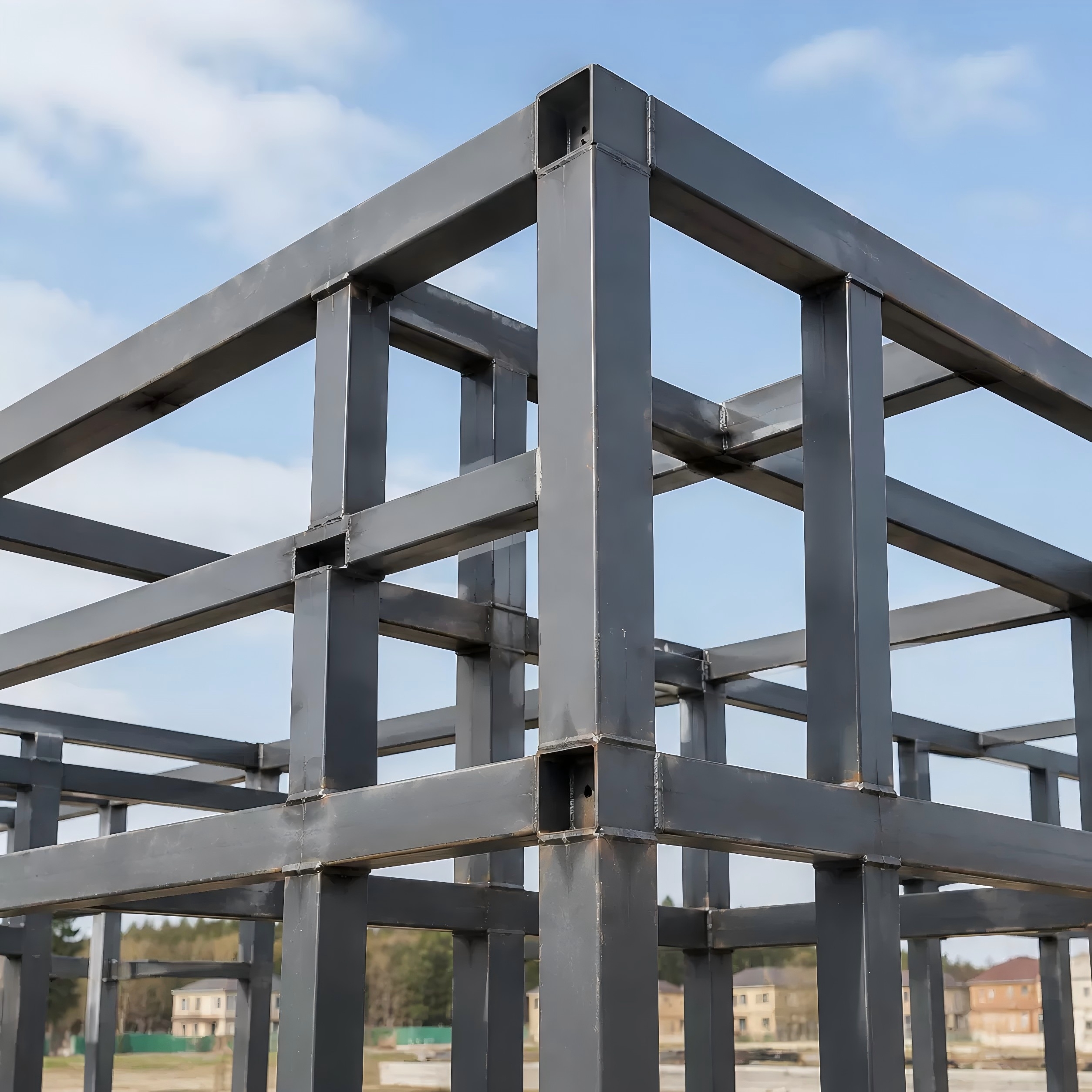
What Is a Square Steel Pipe?
Are you wondering what exactly a square steel pipe is? At its core, a square steel pipe is a hollow structural section with a square cross-section. It’s a popular choice in construction, manufacturing, and design projects because of its strength and versatility.
Square Hollow Section Basics
A square hollow section (also called a square hollow steel tube) features a hollow interior with four equal sides. Its shape provides excellent load-bearing capacity and a modern, clean aesthetic. This makes it ideal for frameworks, fencing, and decorative applications.
Square Steel Tubing Structure
The square steel tubing structure is designed to offer high strength-to-weight ratio. The uniform shape distributes stress evenly, making it suitable for structural support and heavy-duty uses. Its hollow design also reduces weight without sacrificing strength.
Common Materials
Square steel pipes come in various materials, each suited for different environments:
- Carbon steel: Cost-effective and strong, ideal for general construction.
- Stainless steel: Corrosion-resistant, perfect for outdoor or humid environments.
- Galvanized steel: Coated with zinc to prevent rust, often used in fencing and outdoor structures.
Hot-Rolled vs Cold-Formed
- Hot-rolled square steel pipe: Made by heating steel and shaping it at high temperatures. It offers better formability and is more cost-effective.
- Cold-formed square steel pipe: Shaped at room temperature through pressing or rolling. It provides a smoother surface finish and tighter dimensional tolerances, suitable for aesthetic or precise applications.
Understanding these basics helps you choose the right square steel pipe for your project, whether it’s for construction, industrial use, or decorative purposes.
Square Steel Pipe Sizes and Dimensions
When choosing a square steel pipe, understanding the sizes and dimensions is essential. These pipes come in various wall thicknesses, widths, and lengths, making them suitable for many different projects.
Wall Thickness, Width, and Length Options
Square steel pipes are available in a range of wall thicknesses, from thin for lightweight applications to thick for heavy-duty uses. Common widths range from small sizes like 20mm to larger ones over 200mm, depending on your needs. Length options usually start from 6 meters (about 20 feet) but can be customized for specific projects.
Square Steel Pipe Dimensions Chart
A typical square steel pipe dimensions chart helps you quickly find the right size. It lists the outer width, wall thickness, and weight per meter. For example:
| Size (mm) | Wall Thickness (mm) | Weight (kg/m) | Notes |
|---|---|---|---|
| 20×20 | 1.5 | 1.2 | Light-duty frames |
| 50×50 | 2.0 | 3.5 | Structural supports |
| 100×100 | 3.0 | 8.8 | Heavy construction |
This chart helps you compare sizes easily and pick the right square hollow section for your project.
Square Steel Tube Sizes for Different Projects
- Small projects: Use thinner wall thickness and smaller sizes, like 20×20 or 25×25.
- Structural work: Larger sizes like 50×50 or 100×100 with thicker walls.
- Industrial or heavy-duty: Very thick-walled pipes over 150mm wide.
How to Read Size and Weight Specs
When you see specifications, they usually tell you the outer width, wall thickness, and weight per meter. For example, 50x50x2 means a 50mm square pipe with 2mm wall thickness. The weight helps estimate how much material you’ll need and the load capacity.
Knowing how to interpret these specs makes choosing the right square steel pipe easier, whether you’re buying from a local supplier or ordering square steel tubing sizes online.
Square Steel Pipe Standards and Grades
When choosing a square steel pipe, it’s important to pay attention to the standards and grades that ensure quality and safety. Common standards include ASTM, JIS, and EN, each with specific rules for material properties and testing.
ASTM standards are widely used in North America and set strict requirements for strength, dimensions, and chemical composition. They help ensure that the square hollow section or steel tube square meets performance expectations.
JIS standards are Japanese specifications focused on high-quality material grades and precise manufacturing. They are popular in Asia and support reliable, durable steel pipes for various uses.
EN standards are European norms that emphasize safety, environmental impact, and performance. They define the material grades and testing procedures for galvanized steel square pipe and stainless steel square pipe.
Material grades and quality requirements vary depending on the application. For example, carbon steel square tube offers high strength at a lower cost, while stainless steel square pipe provides corrosion resistance for outdoor or chemical environments. Galvanized square pipe adds a protective coating to prevent rust.
Why standards matter: They ensure the square steel pipe fits correctly, performs reliably, and supports project safety. Using compliant pipes reduces risks of failure, especially in construction, structural frameworks, or industrial projects.
In short, selecting square steel pipe that meets recognized standards guarantees quality, safety, and durability — crucial factors whether you’re building a fence, a scaffold, or a heavy-duty frame.
Square Steel Pipe Applications
Square steel pipe is widely used across many industries thanks to its strength and versatility. It’s a popular choice for construction projects, especially for structural frameworks and building supports. Whether you’re working on a new commercial building or a residential project, square hollow section steel tubes provide reliable support and stability.
In addition, square steel pipe is common in scaffolding, railings, and fencing. Its shape makes it easy to install and ensures safety in various environments. For furniture and interior design, square steel tubing sizes are often used for shelving, tables, and decorative pieces, giving a modern and clean look.
The automotive and machinery industries also rely on square steel pipe for constructing industrial frames and equipment. Plus, agricultural and greenhouse structures benefit from its durability and resistance to weathering, especially when galvanized or stainless steel options are chosen.
Overall, square steel pipe’s applications are broad and adaptable, making it a go-to material for many projects around the world. Its strength, shape, and corrosion resistance help meet the needs of construction, industrial, and even decorative uses.
Square Steel Pipe Benefits
Square steel pipes are popular for many reasons. They offer a high strength-to-weight ratio, making them strong but not heavy. This shape is very versatile and can be used in many different projects.
Key Benefits of Square Steel Pipe
| Benefit | Explanation |
|---|---|
| High strength-to-weight ratio | They are sturdy but lightweight, ideal for structural uses. |
| Versatile shape | The square hollow section is perfect for construction, fencing, furniture, and more. |
| Good load-bearing performance | They can support heavy loads, making them reliable for frameworks. |
| Corrosion resistance | Galvanized or stainless steel options help resist rust and weather damage. |
| Cost-effective | Large projects save money with bulk buying and durable materials. |
| Modern look | The clean, straight lines give an attractive, contemporary style for architecture. |
Square steel tubing is a reliable choice for many applications, whether in construction, industrial, or decorative projects. Its benefits make it a top pick for those who need strength, durability, and a sleek appearance.
How to Choose the Right Square Steel Pipe
Picking the right square steel pipe depends on your project needs. Here are some simple tips to guide your decision:
Material for Indoor and Outdoor Use
- Indoor projects: Carbon steel or stainless steel are good options. They’re strong and cost-effective.
- Outdoor projects: Galvanized steel or stainless steel work better because they resist rust and corrosion.
Wall Thickness Matters
- Thicker walls: Better for heavy loads or structural use.
- Thinner walls: Suitable for lighter applications like fencing or decorative purposes.
- Check the square steel pipe weight chart to match your load requirements with the right wall thickness.
Match Pipe Size to Load
- Larger sizes can handle more weight.
- Use a square steel tubing size chart to pick the right dimensions for your project.
- Always consider the square pipe dimensions and load capacity before buying.
Environmental Factors and Corrosion Risks
- If exposed to moisture or harsh weather, go for galvanized square pipe or stainless steel square pipe.
- For indoor use, carbon steel may suffice, but consider coating options for extra protection.
When to Choose Different Materials
| Material | Best for | Key Benefit |
|---|---|---|
| Carbon steel | Structural, indoor, low-cost projects | High strength, affordable |
| Galvanized steel | Outdoor, fencing, scaffolding | Corrosion resistant |
| Stainless steel | Marine, high-moisture areas, decorative | Rust-proof, durable |
Expert Tips for Better Buying
- Assess your environment and load needs first.
- Use the square steel pipe size and weight charts to compare options.
- Consider long-term costs — sometimes paying a bit more upfront for stainless or galvanized steel saves money later.
- Check supplier reviews and certifications to ensure quality.
This way, you’ll pick the best square steel pipe for your project, whether it’s for construction, fencing, or industrial use.
Square Steel Pipe Price Factors
The price of square steel pipes can vary a lot depending on several key factors. First, raw material costs are a big driver—if the prices for carbon steel, stainless steel, or galvanized steel go up, so does the price of the steel tube square. These costs can change based on global steel markets and supply chain conditions.
Next, the size, wall thickness, and coating options play a role. Larger or thicker-walled square steel pipes tend to cost more because they use more material. Applying coatings like galvanization or special finishes also adds to the price.
Order quantity matters too. Buying in bulk usually gets you better prices—many suppliers offer discounts for large orders. Keep an eye on market trends and demand shifts, as these can influence pricing, especially during busy construction seasons or supply shortages.
When comparing square pipe price from different suppliers, check the total cost, including shipping and handling. Don’t just look at the sticker price—consider the quality and standards compliance, which affects durability and safety.
Tips for saving money without sacrificing quality:
- Opt for standard sizes and thicknesses if possible.
- Buy from trusted suppliers with good reputation.
- Consider local suppliers to reduce shipping costs.
- Look for bulk discounts if you have large projects.
- Always verify the material grades and standards to ensure durability and performance.
Understanding these factors helps you get the best value for your money when purchasing square steel pipe for construction, industrial, or decorative uses.
Square Steel Pipe Supplier Options
When choosing a square steel pipe supplier, it’s important to understand the difference between a manufacturer and a trader.
| Manufacturer | Trader |
|---|---|
| Produces directly from raw materials | Buys from manufacturers and resells |
| Usually offers better price and quality control | May have more variety and quicker delivery |
How to Find a Reliable Square Steel Pipe Supplier
- Check certifications: Look for ISO or ASTM compliance.
- Verify reputation: Read reviews or ask for references.
- Inspect quality control: Ensure they follow international standards.
- Ask about customization: Can they meet specific sizes or materials?
- Request samples: Test their product before large orders.
Local Availability and Shipping
- Proximity matters: Buying from local suppliers reduces shipping costs and delays.
- Shipping options: Confirm delivery times and costs upfront.
- Customs and import rules: For international orders, check import duties and regulations.
What to Check Before Buying Square Steel Pipe Online
- Product specs: Make sure size, wall thickness, and material match your needs.
- Price comparison: Get quotes from multiple suppliers.
- Delivery terms: Confirm lead time and shipping costs.
- After-sales support: Ask about warranties and support.
Why Dependable Supply Matters
- Keeps your project on schedule.
- Avoids quality issues that can cause delays or failures.
- Ensures safety and compliance with project standards.
- Builds trust with your clients and team.
Choosing a good square steel pipe supplier is key to a smooth project. Focus on quality, reliability, and clear communication to get the best results.
Why Choose SINO EAST for Square Steel Pipe
When it comes to square steel pipes, SINO EAST is a reliable choice. We offer a wide product range and can customize square hollow section and steel tube square sizes to fit your project needs. Whether you need galvanized square pipe, stainless steel square pipe, or carbon steel square tube, we have options.


