
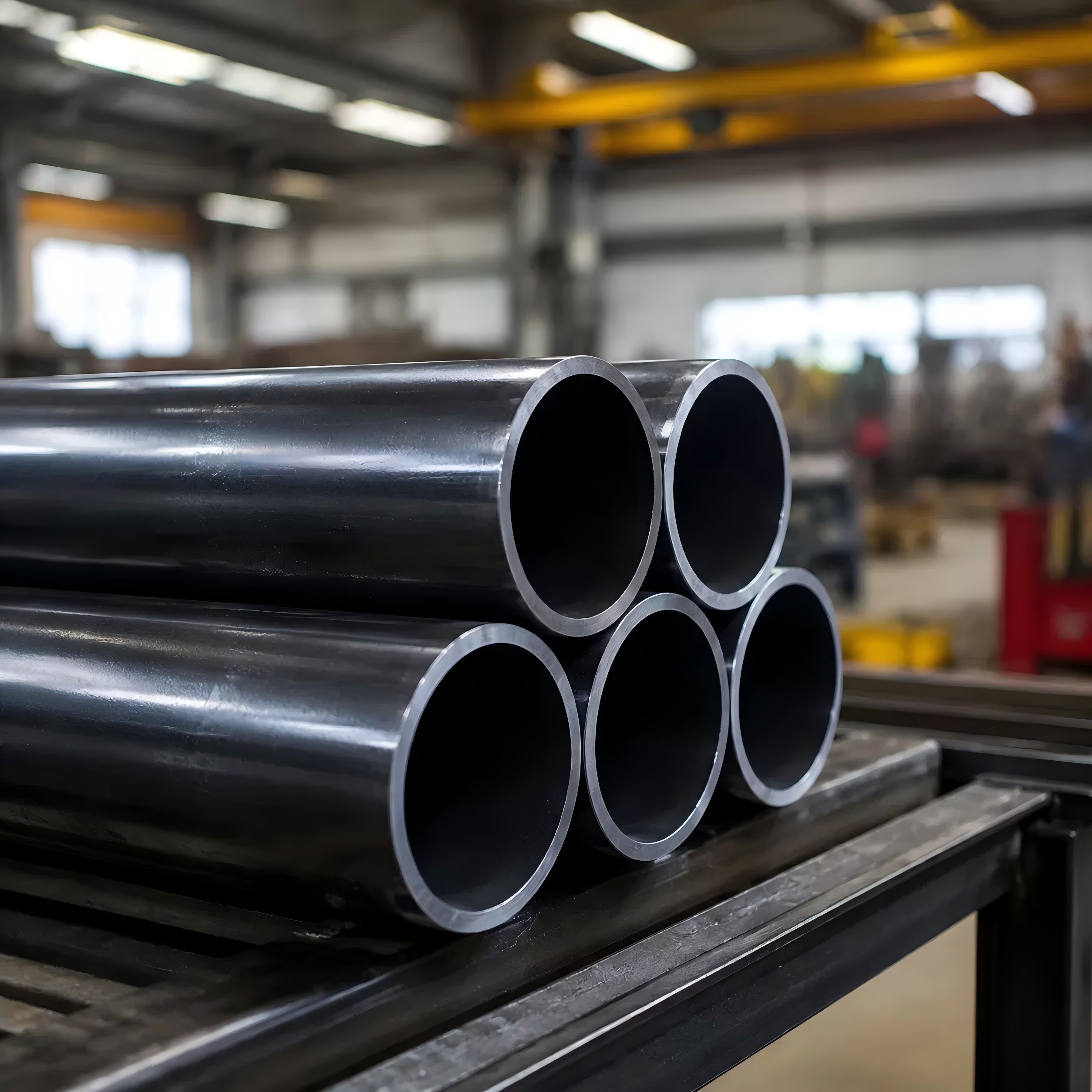
If you’re working on high-pressure piping systems or demanding industrial projects, understanding schedule 80 steel pipe is essential. This thicker-walled pipe offers increased strength, safety, and durability compared to standard options like Schedule 40. But how do you choose the right size, material, or connection method? And what are the real advantages for your application? In this guide, you’ll discover everything you need to know about schedule 80 steel pipe—from technical specifications to installation tips—so you can make informed decisions and ensure your project’s success.
What Is Schedule 80 Steel Pipe and How Does It Differ from Schedule 40?
When selecting steel pipes for high-pressure or demanding applications, understanding pipe schedule is crucial. “Schedule” refers to the wall thickness of the pipe, which directly impacts its strength and pressure capacity. For example, Schedule 80 steel pipe has a nominal wall thickness of 0.080 inches, making it thicker than Schedule 40 pipes, which typically have a wall thickness around 0.145 inches for larger sizes.
Schedule 80 steel pipe is designed for applications requiring higher pressure ratings and greater durability. Its increased wall thickness provides a higher safety margin, making it suitable for demanding environments like chemical processing or high-pressure systems.
Comparing Dimensions, Weight, and Pressure Capacity
Here’s a quick comparison between Schedule 80 and Schedule 40 steel pipes:
Parameter
Schedule 40
Schedule 80
Wall Thickness
~0.145 inches (varies by size)
0.080 inches (nominal)
Inside Diameter (ID)
Slightly smaller due to thicker walls
Larger, due to thinner walls
Weight per Foot
Lower
Higher, due to increased wall thickness
Pressure Rating
Moderate
Significantly higher
Why does the extra thickness matter?
The additional wall thickness in Schedule 80 steel pipe enhances its ability to withstand higher internal pressures and mechanical stresses. This extra material creates a higher safety margin, reducing the risk of failure under extreme conditions. It also improves resistance to corrosion and mechanical damage, extending the pipe’s service life in tough environments.
In , while Schedule 80 steel pipe is heavier and more costly than Schedule 40, its superior strength and safety margins make it the preferred choice for high-pressure and critical applications across various industries.
Technical Specifications and Key Dimensions of Schedule 80 Steel Pipe
Here’s a quick look at the key specs for Schedule 80 steel pipe, covering sizes from NPS 1/8″ to 12″. This helps you compare dimensions, weight, and pressure ratings easily.
Full Dimensions Table (NPS 1/8″ – 12″)
| NPS | Outside Diameter (OD) | Wall Thickness | Inside Diameter (ID) | Weight per ft | Weight per m |
|---|---|---|---|---|---|
| 1/8″ | 0.405″ (10.29mm) | 0.080″ (2.03mm) | 0.245″ (6.22mm) | 0.29 lb (0.13 kg) | 0.95 kg |
| 1/4″ | 0.540″ (13.72mm) | 0.080″ (2.03mm) | 0.380″ (9.65mm) | 0.45 lb (0.20 kg) | 1.48 kg |
| 1/2″ | 0.840″ (21.34mm) | 0.083″ (2.11mm) | 0.674″ (17.14mm) | 0.90 lb (0.41 kg) | 2.96 kg |
| 1″ | 1.315″ (33.43mm) | 0.109″ (2.77mm) | 1.097″ (27.89mm) | 1.68 lb (0.76 kg) | 5.52 kg |
| 2″ | 2.375″ (60.33mm) | 0.154″ (3.91mm) | 2.067″ (52.50mm) | 4.40 lb (2.00 kg) | 14.45 kg |
| 4″ | 4.500″ (114.30mm) | 0.237″ (6.02mm) | 4.026″ (102.23mm) | 11.20 lb (5.08 kg) | 36.78 kg |
| 6″ | 6.625″ (168.28mm) | 0.280″ (7.11mm) | 6.065″ (153.86mm) | 19.80 lb (8.99 kg) | 65.00 kg |
| 12″ | 12.750″ (323.85mm) | 0.312″ (7.92mm) | 11.126″ (282.76mm) | 49.50 lb (22.45 kg) | 162.52 kg |
Pressure Ratings (at room temperature)
| Grade | ASTM A106 Gr. B | ASTM A53 | API 5L | Max Pressure (psi) |
|---|---|---|---|---|
| Schedule 80 | 1,000–2,900 psi | 1,000–2,900 psi | 1,000–2,900 psi | Varies by size and grade |
Standards & Options
- Standards: ASME B36.10M, ASTM grades
- Types: Seamless and welded options available
- Certifications: All pipes come with certification and full material traceability, ensuring quality and compliance.
This data helps you pick the right Schedule 80 steel pipe for your needs, whether it’s for high-pressure systems or corrosive environments.
Advantages and Disadvantages of Schedule 80 Steel Pipe
Schedule 80 steel pipe offers some clear benefits but also has its downsides. Here’s a quick rundown:
Benefits of Schedule 80 Steel Pipe
- Stronger and more durable: The extra wall thickness means it can handle higher pressures and more demanding conditions.
- Better corrosion resistance: Especially when made from quality steel grades, it lasts longer in harsh environments.
- Longer service life: Its durability makes it ideal for long-term use, especially in high-pressure systems.
- Great for aggressive media: Perfect for transporting chemicals, oil, or other corrosive substances safely.
Drawbacks of Schedule 80 Steel Pipe
- Heavier weight: The thicker walls add weight, making handling and installation a bit more challenging.
- Higher costs: Material and transportation costs go up because of the extra steel used.
- Reduced flow capacity: The thicker wall reduces the inside diameter slightly, which can limit flow in some applications.
When to Choose Schedule 80 vs. Schedule 40
-
Use Schedule 80 when your project involves:
- High-pressure systems
- Corrosive or aggressive media
- Long-term durability needs
-
Opt for Schedule 40 if:
- The pressure is moderate
- Cost savings are a priority
- Less weight and easier handling matter more
table:
| Feature | Schedule 80 Steel Pipe | Schedule 40 Steel Pipe |
|---|---|---|
| Wall Thickness | Thicker (e.g., 0.080 inches) | Thinner |
| Strength | Higher | Moderate |
| Weight | Heavier | Lighter |
| Cost | Higher | Lower |
| Flow Capacity | Slightly reduced | Better |
Choosing the right pipe depends on your specific needs—pressure, durability, and budget all matter.
Common Applications Across Industries
Schedule 80 steel pipe is widely used across many industries because of its extra wall thickness and higher pressure capacity. You’ll find it in oil & gas, chemical processing, and petrochemical plants where safety and durability are critical. Its strength makes it ideal for handling high-pressure fluids and aggressive media.
In power generation, marine, and offshore systems, Schedule 80 pipe offers the robustness needed for demanding environments. It resists corrosion better and can handle the stresses of extreme conditions, making it a reliable choice for vital infrastructure.
Fire protection systems, compressed air lines, and hydraulic lines also benefit from Schedule 80 steel pipe. Its thicker walls ensure safety and long-term performance, especially in emergency or high-pressure situations.
Construction and infrastructure projects often choose Schedule 80 pipe because it provides extra safety margins. Whether for water supply, structural supports, or industrial piping, its durability and pressure ratings meet strict standards.
Why Schedule 80 is the preferred choice in these sectors? Because it offers superior strength, safety, and longevity. It handles high pressure and corrosive media better than Schedule 40 pipe, making it the go-to option for critical applications where failure isn’t an option.
Choosing the Right Schedule 80 Steel Pipe for Your Project
When selecting a schedule 80 steel pipe, it’s important to consider a few key factors to ensure you get the right fit for your needs. Whether you’re working in oil & gas, chemical processing, or construction, the right pipe can make all the difference.
Material options (carbon steel, alloy, stainless)
Schedule 80 steel pipe comes in different materials:
- Carbon steel: Most common, strong, and cost-effective.
- Alloy steel: Better resistance to high temperatures and corrosion.
- Stainless steel: Superior corrosion resistance, ideal for aggressive environments.
Pick the material based on your project’s environment, pressure, and temperature needs.
Size, pressure, and temperature matching
Match the pipe size and wall thickness (like schedule 80 vs schedule 40) to your system’s pressure and temperature requirements:
- Size: Ensure the outside diameter (OD) and inside diameter (ID) fit your fittings.
- Pressure rating: Check the pressure ratings for the chosen grade (ASTM A106 Gr. B, A53, API 5L) at room temperature.
- Temperature: Confirm the pipe can handle the operating temperature without losing strength.
Seamless vs welded options
- Seamless pipes: Offer higher strength and better pressure capacity, great for critical applications.
- Welded pipes: Usually more affordable and available in longer lengths, suitable for less demanding uses.
Integration with fittings and systems
Schedule 80 steel pipe is compatible with standard fittings:
- Threaded, flanged, or welded connections are common.
- Make sure fittings match the pipe’s schedule and material for a secure, leak-free connection.
Choosing the right schedule 80 steel pipe involves balancing material type, size, pressure, and how it will connect to your existing system. Always check standards like ASME B36.10M and relevant codes to ensure safety and compliance.
Installation and Joining Best Practices for Schedule 80 Steel Pipe
Handling, storing, and transporting Schedule 80 steel pipe properly is crucial to prevent damage and ensure safety. Always store pipes in a dry, stable area, and avoid dropping or stacking them improperly. When moving pipes, use appropriate equipment like slings or pipe dollies to prevent dents or warping.
For joining Schedule 80 steel pipe, you have several options: threaded, flanged, or welded connections. Each method depends on your project’s needs, pressure requirements, and system design.
Welding Schedule 80 Steel Pipe
Welding thick-wall Schedule 80 pipe requires specific procedures:
- Beveling: Cut the pipe ends at an angle to ensure a good weld joint.
- Multi-pass welding: Use multiple passes to fill the joint properly, ensuring strength and leak-proof seals.
- Welding techniques: Follow industry standards for safety and quality, such as using proper electrode types and controlling heat input.
Leak Testing and Support
After welding or joining, perform leak tests—hydrostatic or pneumatic—to confirm the integrity of the connection. Support pipes at regular intervals, typically every 10-12 feet, to prevent sagging or stress on the joints.
Code Compliance and Safety
Always adhere to local codes like ASME B31.1 (Power Piping), B31.3 (Process Piping), and NFPA standards for fire safety. Proper installation and support help avoid failures and ensure the system operates safely under high pressure.
Final Tips
- Use compatible fittings designed for Schedule 80 pipe.
- Ensure proper thread sealing with suitable tape or compound.
- Follow manufacturer instructions for welding and fittings.
- Regularly inspect installed pipes for corrosion, damage, or leaks.
By following these best practices, you’ll maximize the lifespan and safety of your Schedule 80 steel pipe system, whether it’s for industrial, fire protection, or infrastructure projects.
SINO EAST Schedule 80 Steel Pipe Solutions
At SINO EAST, we offer a wide range of Schedule 80 steel pipes designed to meet various industrial needs. Whether you need standard sizes or custom specifications, we can tailor our products to fit your project. Our Schedule 80 steel pipe solutions are built with high-quality materials, ensuring durability and long service life.
We take pride in strict quality control, holding certifications like API, ASTM, and ASME standards. Our global supply chain allows us to deliver reliable products on time, no matter where you are. We also provide detailed technical data to help engineers select the right pipe, whether it’s for high-pressure systems or corrosive environments.
If you’re looking for competitive pricing or samples to evaluate, just reach out to SINO EAST. We’re here to support your project from start to finish with expert advice and flexible solutions.


