
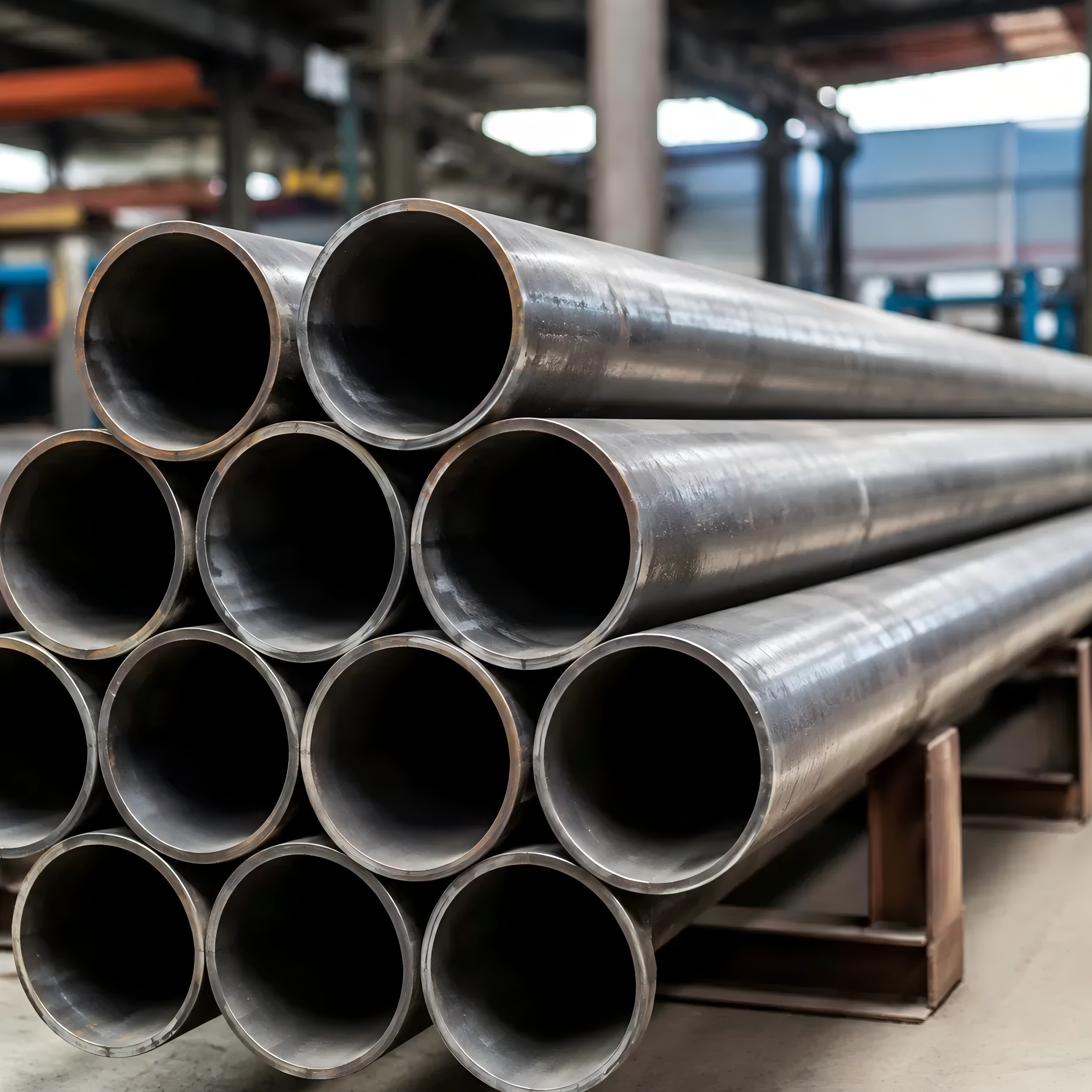
What Is Schedule 40 Steel Pipe?
Schedule 40 steel pipe is one of the most common types of carbon steel pipes used in a wide range of applications. When you hear “schedule 40,” it refers to the pipe’s wall thickness, not its pressure rating. This standard wall thickness makes it a reliable choice for plumbing, structural support, and industrial systems.
Understanding the ANSI/ASME B36.10 Pipe Schedule System
The schedule system, like ANSI/ASME B36.10, is a way to classify pipe wall thickness. It uses numbers like Schedule 40, 20, 80, and more to indicate how thick the pipe walls are. The higher the schedule number, the thicker the walls.
What Does “Schedule” Mean?
In this context, “schedule” isn’t about pressure capacity. Instead, it refers to the nominal wall thickness of the pipe. For example, Schedule 40 has a standard wall thickness that balances strength and weight, making it ideal for many common uses.
Why Schedule 40 Is the Standard for Carbon Steel Pipe
Schedule 40 is widely considered the standard wall thickness for carbon steel pipe. It’s durable enough for most low- to medium-pressure applications and is compatible with standard fittings and connections.
Common Standards for Schedule 40 Steel Pipe
Most Schedule 40 steel pipes are manufactured to industry standards like:
- ASTM A53: The most common standard for carbon steel pipes used in plumbing and structural applications.
- ASTM A106 Grade B: Often used for high-temperature and high-pressure applications, like steam lines.
These standards ensure the pipe meets specific quality, strength, and safety requirements, giving you confidence in its performance.
Standard Dimensions & Specifications for Schedule 40 Steel Pipe
Schedule 40 steel pipe covers a wide size range, from NPS 1/8″ up to 24″. Here’s what you need to know about its dimensions and specs:
Full Size Range
| Nominal Pipe Size (NPS) | Outside Diameter (OD) | Wall Thickness | Inside Diameter (ID) | Weight per Foot (lb/ft) |
|---|---|---|---|---|
| NPS 1/8″ | 0.405″ | 0.095″ | 0.215″ | 0.64 |
| NPS 1/2″ | 0.840″ | 0.109″ | 0.622″ | 1.68 |
| NPS 1″ | 1.315″ | 0.109″ | 1.097″ | 2.67 |
| NPS 2″ | 2.375″ | 0.154″ | 2.067″ | 4.91 |
| NPS 24″ | 24.000″ | 0.375″ | 23.250″ | 77.4 |
Wall Thickness & Inside Diameter
- Nominal wall thickness for Schedule 40 is typically 0.109″ for smaller sizes, increasing with pipe diameter.
- Inside diameter (ID) decreases as wall thickness increases, but overall, Schedule 40 maintains a standard wall for durability.
Weight & Handling
- The weight per foot (lb/ft) varies with size, affecting handling and installation.
- Heavier pipes like NPS 24″ weigh around 77 lb/ft, so plan for proper support.
Finishes & Options
- Black steel pipe: basic, uncoated, suitable for indoor or protected environments.
- Galvanized steel pipe: coated with zinc for corrosion resistance, ideal for outdoor or moisture-prone areas.
- Ends: threaded, plain end, seamless, or welded options are available depending on your project needs.
Standards & Codes
- Most Schedule 40 steel pipes meet ASTM A53 or ASTM A106 Grade B standards.
- These standards ensure quality, dimensions, and safety for plumbing, structural, and industrial uses.
This info helps you pick the right Schedule 40 steel pipe for your project, whether it’s for water lines, structural support, or DIY tasks.
How to Measure & Identify Schedule 40 Steel Pipe
Knowing how to properly measure and identify schedule 40 steel pipe is key when buying or working with it. Here’s what you need to keep in mind:
Reading Nominal Pipe Size (NPS) vs Actual Outside Diameter (OD)
- The nominal pipe size (NPS) is a rough guide, not the real measurement. For example, NPS 2″ pipe doesn’t have an OD of exactly 2 inches.
- To get the real size, measure the outside diameter (OD) with a tape measure or caliper. For schedule 40 steel pipe, the OD is standardized for each size.
Using a Tape Measure or Caliper to Measure OD
- Use a caliper for the most accurate measurement of the outside diameter.
- Wrap the tape measure around the pipe to get the OD if you don’t have a caliper.
- Compare your measurement to the schedule 40 pipe dimensions chart to confirm the size.
Estimating and Checking Wall Thickness in the Field
- The wall thickness of schedule 40 steel pipe is consistent for each size.
- To check, measure the inside diameter (ID) and subtract from the OD.
- If you don’t have precise tools, estimate by comparing with standard schedule 40 pipe specifications.
Confirming Schedule 40 vs Other Schedules
- Look for markings on the pipe that specify the schedule, such as “SCH 40” or “Schedule 40.”
- Color codes or stencil markings often indicate the schedule.
- Be aware that schedule 10, 20, 80, or 160 pipes will have different wall thicknesses and IDs, so check the markings carefully.
Identifying Markings, Color Codes, and Mill Stencils
- Most schedule 40 steel pipes have markings stamped or painted on the pipe surface.
- These include the schedule number, material grade, and manufacturer info.
- Color coding can also help—galvanized pipes might have a different color than black steel pipes.
Common Mistakes When Identifying Schedule 40 Steel Pipe
- Relying only on appearance or color—always check the markings.
- Confusing schedule 40 with other schedules like schedule 10 or schedule 80.
- Not measuring OD or wall thickness properly, leading to wrong size assumptions.
- Ignoring the standard markings or assuming the pipe’s size based on rough estimates.
Getting familiar with these simple steps helps ensure you pick the right schedule 40 steel pipe for your project, whether it’s plumbing, structural work, or industrial use.
Common Schedule 40 Steel Pipe Applications & Uses
Schedule 40 steel pipe is versatile and widely used across many industries and DIY projects. Its standard wall thickness makes it a reliable choice for various applications.
Plumbing and Water Lines
Schedule 40 steel pipe is a popular option for plumbing and water line installations. Its durability and consistent dimensions make it ideal for carrying potable water, especially in commercial and residential setups.
Gas Lines and Fire Sprinkler Systems
You’ll often see Schedule 40 pipe used in gas lines and fire sprinkler systems. Its strength and pressure rating ensure safe, reliable flow for these critical systems.
Structural Support, Fence Posts, and Bollards
Because of its sturdy build, Schedule 40 steel pipe works well for structural support, fence posts, handrails, and bollards. It’s strong enough to handle outdoor conditions and heavy use.
Industrial Piping for Low-Pressure Steam and Compressed Air
In industrial settings, Schedule 40 pipe is common for low-pressure steam, compressed air, and other low-pressure piping needs. It’s a cost-effective, reliable choice for these applications.
Irrigation Lines and Agricultural Use
Farmers and landscapers use Schedule 40 steel pipe for irrigation lines. Its durability outdoors and resistance to corrosion (especially galvanized types) make it suitable for agricultural projects.
DIY Projects like Shelves, Curtain Rods, and Furniture
Many DIY enthusiasts turn to Schedule 40 steel pipe for creating shelves, curtain rods, gym rigs, and furniture. Its standard dimensions and strength make it easy to work with.
Tips for Choosing the Right Size for Each Use
- Measure your needs: Check the outside diameter (OD) and inside diameter (ID) to match your project.
- Consider pressure: Thicker walls (like Schedule 80) for higher pressure needs.
- Think about support: Heavier pipes support more weight but are harder to handle.
- Match fittings: Ensure your fittings match the pipe size and thread type.
Schedule 40 steel pipe’s flexibility and reliable specs make it a go-to choice for both professional and DIY projects worldwide.
Schedule 40 vs Other Pipe Schedules
When choosing steel pipe, understanding the differences between Schedule 40 and other schedules is key. Here’s a quick comparison to help you decide.
Schedule 40 vs Schedule 80 Steel Pipe
| Feature | Schedule 40 | Schedule 80 |
|---|---|---|
| Wall Thickness | Standard | Thicker |
| Inside Diameter | Slightly smaller | Slightly smaller |
| Pressure Rating | Good for most uses | Higher pressure capacity |
| Weight | Lighter | Heavier |
| Cost | Usually cheaper | More expensive |
Use Schedule 40 for general plumbing, low-pressure systems, or DIY projects. Opt for Schedule 80 if you need extra strength or higher pressure handling.
Schedule 40 vs Schedule 20 and Schedule 160
| Feature | Schedule 20 | Schedule 40 | Schedule 160 |
|---|---|---|---|
| Wall Thickness | Thinner | Standard | Very thick |
| Inside Diameter | Larger | Slightly smaller | Much smaller |
| Pressure Rating | Lower | Good for most uses | Very high |
| Weight | Light | Moderate | Heavy |
| Cost | Cheaper | Moderate | Most expensive |
Schedule 20 is good for low-pressure applications. Schedule 160 is for high-pressure, industrial needs.
of Key Differences
- Wall thickness & inside diameter: Heavier schedules have thicker walls and smaller inside diameters.
- Pressure rating: Heavier schedules can handle higher pressures.
- Weight & cost: Heavier schedules cost more and are harder to handle.
- When to choose: Use Schedule 40 for most everyday jobs. Switch to Schedule 80 or 160 for high-pressure or industrial uses.
This quick comparison helps you pick the right schedule for your project, balancing strength, cost, and ease of installation.
Strength, Weight & Pressure Handling of Schedule 40 Steel Pipe
When choosing schedule 40 steel pipe, understanding its strength, weight, and how it handles pressure is key. Here’s what you need to know.
Basic Strength Terms: Tensile & Yield Strength
- Tensile strength is how much pulling force the pipe can handle before breaking.
- Yield strength is the point where the pipe starts to deform permanently under pressure.
- For schedule 40 steel pipe, these values are usually high enough for most low-pressure applications like plumbing, gas lines, and structural uses.
How Size & Wall Thickness Affect Pipe Strength
- The larger the pipe size, the more load it can handle, but the wall thickness (schedule) also plays a big role.
- Schedule 40 has a standard wall thickness for carbon steel pipes, balancing strength and weight.
- Thicker walls (like schedule 80) can handle higher pressure but are heavier and cost more.
Typical Schedule 40 Pipe Pressure Ratings for Common Sizes
- Most schedule 40 steel pipes can handle pressure ratings from 150 psi to 300 psi, depending on size.
- For example, a 2-inch schedule 40 pipe might be rated for around 250 psi.
- Always check the specific pressure rating for your pipe size and application.
Weight Per Foot & Its Impact on Support and Transport
- Schedule 40 pipe weight varies by size, from about 0.3 lb/ft for small pipes to over 7 lb/ft for larger ones.
- Heavier pipes need stronger supports and easier handling during installation.
- Knowing the weight per foot helps plan for transport and support structures.
Corrosion, Rust & Coating Options
- Galvanized schedule 40 steel pipe is coated with zinc to resist rust, perfect for outdoor or moist environments.
- Black steel pipe is uncoated and may need painting or lining for corrosion protection.
- Coatings extend the service life, especially in harsh environments.
Service Life in Different Environments
- Galvanized pipes last about 20-50 years outdoors or underground.
- Painted or lined pipes can last 10-30 years depending on conditions.
- Regular inspection and maintenance help maximize lifespan, especially in corrosive environments.
Knowing these factors helps you pick the right schedule 40 steel pipe for your project, ensuring safety, durability, and cost-effectiveness.


